
Buttermilk Pound Cake is a timeless baked good that captures the essence of simple Southern comfort with its rich, moist texture and buttery flavor. Known for its dense yet tender crumb, this cake combines the tang of buttermilk with the indulgence of traditional pound cake ingredients. Its versatility makes it suitable for breakfast, brunch, or even dessert, especially when paired with fresh fruits, whipped cream, or a drizzle of glaze. Whether you’re an experienced baker or a beginner, this recipe offers a delightful way to enjoy a homemade treat that’s both satisfying and adaptable to various occasions.
Why Choose This Buttermilk Pound Cake Recipe?
There are many reasons to indulge in making a buttermilk pound cake. Firstly, the use of buttermilk adds a subtle tang and moistness that elevates the flavor profile, making it more interesting than standard pound cakes. Additionally, the recipe’s straightforward steps require minimal expertise, making it accessible for bakers of all levels. From a health perspective, using buttermilk introduces probiotics and reduces the need for excessive fats or preservatives. Culturally, pound cake holds a cherished place in many baking traditions, symbolizing hospitality and comfort. Its dense texture and rich flavor make it an ideal choice for gatherings, afternoon tea, or even as a thoughtful homemade gift.
Ingredients for Buttermilk Pound Cake
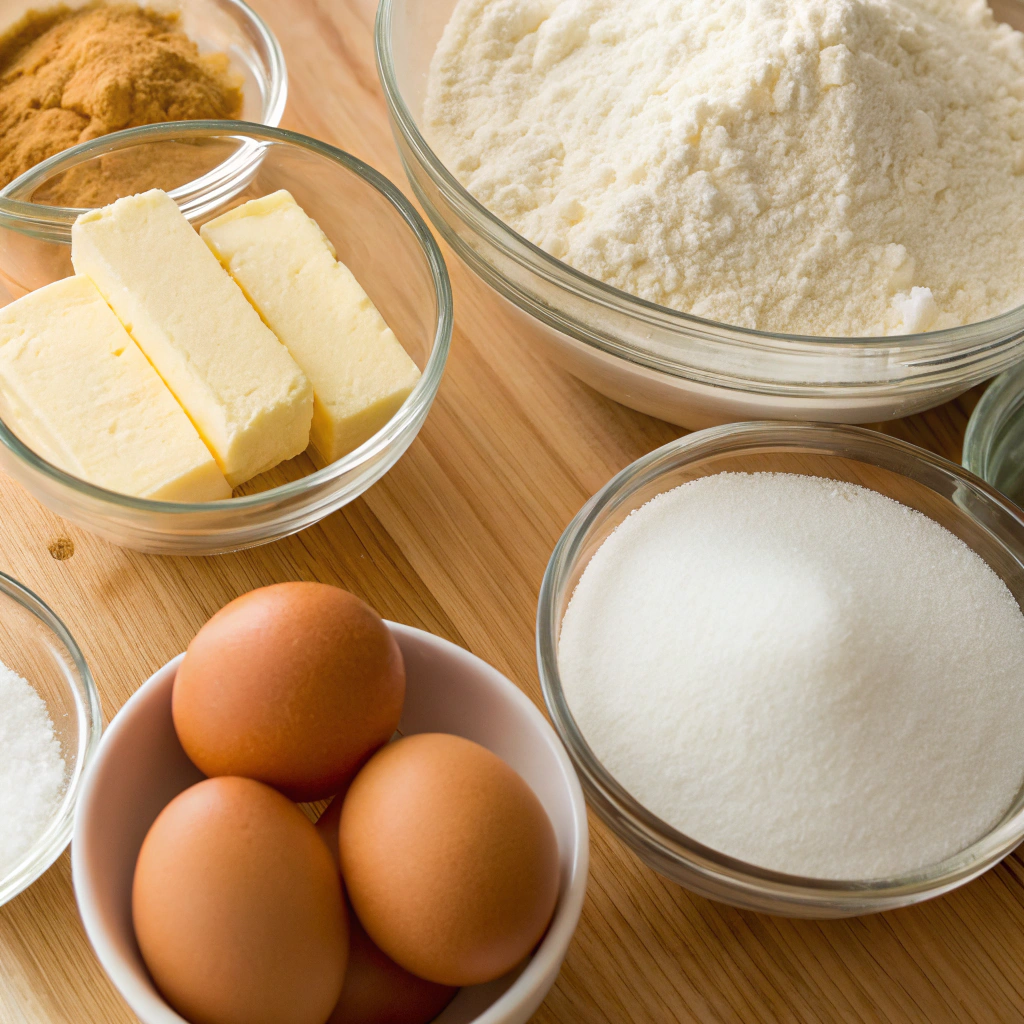
Here’s a detailed list of the ingredients you’ll need, along with tips to select the best quality:
- Unsalted Butter (1 cup / 226g): Use high-quality, European-style butter if possible. It offers a richer flavor and creamier texture.
- Granulated Sugar (1 ¾ cups / 350g): Fine-grain sugar ensures even sweetness and better incorporation.
- Eggs (4 large): Fresh eggs are crucial for structure and richness. For a richer flavor, use farm-fresh or organic eggs.
- Buttermilk (1 cup / 240ml): Choose whole buttermilk for creaminess, or homemade if you prefer. For substitutions, you can use milk with a tablespoon of lemon juice or vinegar to mimic flavor and acidity.
- All-Purpose Flour (2 ½ cups / 310g): Use unbleached flour for better flavor and texture.
- Baking Powder (1 teaspoon): Provides slight leavening for a tender crumb.
- Salt (½ teaspoon): Enhances flavor and balances sweetness.
- Vanilla Extract (2 teaspoons): Use pure vanilla for depth of flavor; options include vanilla bean paste for more aroma.
Tips for ingredient selection:
- Butter: Unsalted is preferred so you control the salt level; always use cold or room-temperature depending on your baking step.
- Eggs: Large eggs are standard; if using smaller or larger eggs, adjust quantities accordingly.
- Buttermilk: Freshness impacts flavor; shake the carton well before measuring.
Substitutions and variations:
- For dairy-free versions, consider plant-based buttermilk (such as almond or soy milk mixed with lemon juice) and vegan butter.
- To add a nutty flavor, incorporate chopped toasted walnuts or pecans into the batter.
“Looking for more delicious desserts? Check out our Homemade Popcorn Chicken or try classic favorites like our Cinnamon Roll Focaccia.”
Step-by-Step Preparation of Buttermilk Pound Cake
1. Preheat the Oven and Prepare Your Pan
- Set the oven to 350°F (175°C): Preheating ensures that the oven reaches the right temperature when you’re ready to bake, promoting even cooking.
- Grease the loaf pan: Use butter or non-stick spray to coat the bottom and sides thoroughly. For easy removal, dust the pan with a sprinkle of flour or line it with parchment paper. This step helps prevent the cake from sticking and breaking apart when you take it out.
2. Cream the Butter and Sugar

- Use softened butter: Make sure the butter is at room temperature (soft but not melting). Cold butter won’t blend smoothly, and overly melted butter can affect the texture.
- Cream until light and fluffy: Using a hand or stand mixer fitted with a paddle attachment, beat the butter and sugar on medium-high speed for about 3-4 minutes.
- Why: This process incorporates air, which helps create a tender crumb and slightly rises the cake, even though pound cakes are traditionally dense.
- Tip: Scrape down the sides of the bowl halfway through to ensure even mixing.
Common Pitfall: Don’t rush this. Under-creaming results in a denser cake, while over-creaming can make it overly airy or tough.
3. Add Eggs Gradually
- Add eggs one at a time: Break each egg into a small bowl first to check for shells or spoilage, then add to the creamed mixture.
- Beat well after each addition: This ensures each egg is fully incorporated, preventing a broken emulsion.
- Why: Proper incorporation helps the batter emulsify, creating a smooth texture and even crumb.
- Avoid overmixing: Once all eggs are added, beat only until the mixture is uniform, about 10-15 seconds. Overmixing at this stage can promote gluten development, making the cake tough.
4. Incorporate Vanilla and Buttermilk
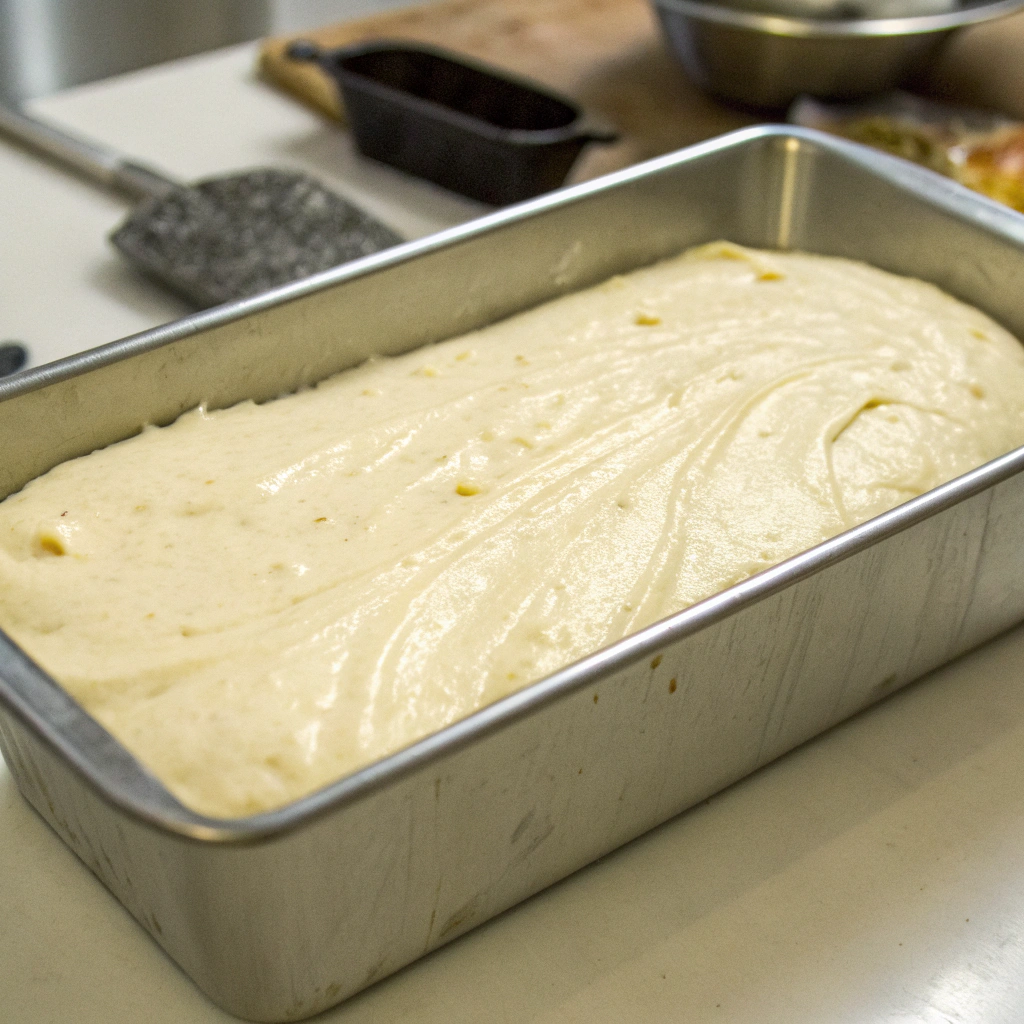
- Add vanilla extract: Stir in to enhance flavor.
- Alternate adding flour and buttermilk: With the mixer on low speed or using a spatula, add a third of the flour mixture, then half of the buttermilk, then another third of flour, then remaining buttermilk, and finally the last third of flour.
- Why: Alternating prevents the batter from curdling and ensures even distribution.
- Tip: Mix just until each addition is incorporated; do not overmix after each addition.
Common Pitfall: Overmixing after adding the flour can develop gluten, resulting in a dense or chewy cake.
5. Pour and Smooth the Batter
- Transfer the batter to the prepared pan: Use a spatula to scrape the sides and level the top.
- Smooth the surface: This helps the cake bake evenly and look attractive.
6. Bake the Cake
- Place in the oven: Bake on the middle rack for 60-70 minutes.
- Check for doneness:
- Insert a toothpick or cake tester into the center; it should come out clean or with a few crumbs clinging.
- Alternative checks: Gently press the top; it should bounce back slowly.
- Tip: If the top browns too quickly but the center isn’t done, tent with foil and continue baking.
Common Pitfall: Opening the oven door too early can cause the cake to sink. Wait until the minimum baking time before testing.
7. Cooling the Cake
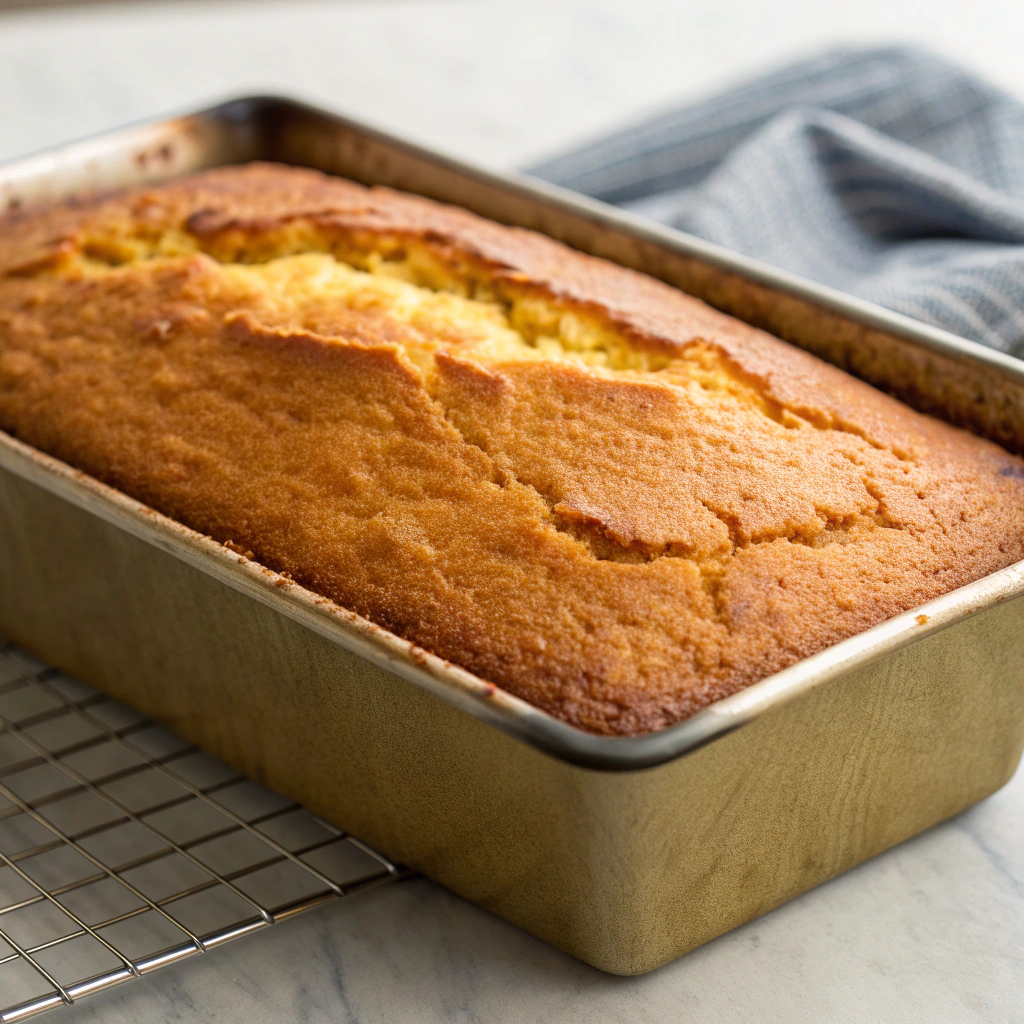
- Cool in the pan: Transfer to a wire rack to cool for about 15 minutes.
- Remove from pan: Gently run a knife around the edges if needed, then carefully remove the cake from the pan.
- Cool completely: Let it cool thoroughly before slicing to prevent crumbling. This also helps develop flavor and texture.
Additional Tips for Success:
- Use quality ingredients: Fresh butter, farm-fresh eggs, good vanilla, and fresh buttermilk make a noticeable difference.
- Don’t overmix: Maintain a gentle touch after adding flour.
- Use accurate measurements: Baking is science. Use proper measuring cups and spoons for flour, sugar, and liquids.
- Adjust baking time if needed: Center only slightly moist; avoid overbaking to keep it moist.
“Discover more baking ideas with our Cinnamon Roll Muffins or try making a fluffy Dutch Baby Pancake.”
Variations and Customizations for Buttermilk Pound Cake

Beautifully glazed Buttermilk Pound Cake topped with zesty citrus glaze.
“Celebrate any occasion with our favorite Pumpkin Cream Cheese Bread or festive Apple Crisp.”
The beauty of buttermilk pound cake lies in its adaptability. You can easily modify ingredients, flavors, and presentation to suit your preferences, dietary needs, or specific celebration themes. Here are some creative ideas:
Flavor Additions
- Citrus Zest (Lemon, Orange, Lime):
Add 1-2 teaspoons of finely grated zest to the batter.
Brighten the cake with a fresh, tangy flavor that complements the buttermilk’s acidity. For a more pronounced citrus flavor, fold in citrus juice along with the zest. - Spices:
Incorporate ½ – 1 teaspoon of cinnamon, nutmeg, or cardamom.
These warm spices add depth and aroma, making the cake feel cozy and festive, especially during autumn and winter seasons. For a more complex spice profile, combine two or more spices. - Chocolate Infusions:
Fold in ½ – 1 cup of semi-sweet chocolate chips or chunks.
Alternatively, swirls can be created by gently folding melted chocolate or chocolate spread into the batter before baking, creating a marbled effect. - Nuts and Fruits:
Add chopped walnuts, pecans, or almonds.
Mix in dried fruits like raisins, dried cranberries, or chopped dried apricots.
These add texture and bursts of flavor, enhancing the cake’s richness. - Herbs:
For a unique touch, consider adding finely chopped fresh herbs like rosemary or thyme, especially when serving with cheese or savory accompaniments.
Dietary Adjustments
- Gluten-Free Variations:
Substitute the all-purpose flour with a certified gluten-free baking blend. Ensure the mixture includes xanthan gum or other binders if necessary, and adjust liquids as needed to achieve the right batter consistency. - Vegan Version:
Use plant-based butters (like coconut oil or vegan margarine) and vegan buttermilk (made by mixing plant milk with a teaspoon of vinegar or lemon juice). Consider adding ground flaxseed or chia seeds mixed with water as an egg replacer (about 1 tablespoon flaxseed meal + 3 tablespoons water per egg). - Low-Sugar or Reduced Sugar Options:
Replace some of the granulated sugar with natural sweeteners like maple syrup, agave, or coconut sugar, but be mindful that this may affect the texture and moistness.
Presentation and Texture
- Glazing and Toppings:
Drizzle with lemon or orange glaze, dust with powdered sugar, or spread with a thin layer of honey or caramel for a shiny, appealing finish. - Decorative Pans:
Use Bundt pans, mini loaf pans, or layered cake molds to create eye-catching shapes. For festive occasions, top with fresh berries, edible flowers, or seasonal decorations. - Layered or Filled Cakes:
Slice the baked cake horizontally and add layers of fruit preserves, mascarpone, or whipped cream for a more decadent dessert.
“Interested in healthier options? Explore our Healthy Lettuce Wraps or try our flavorful Asian Chicken Lettuce Wraps to keep it light.”
Serving and Pairing Ideas
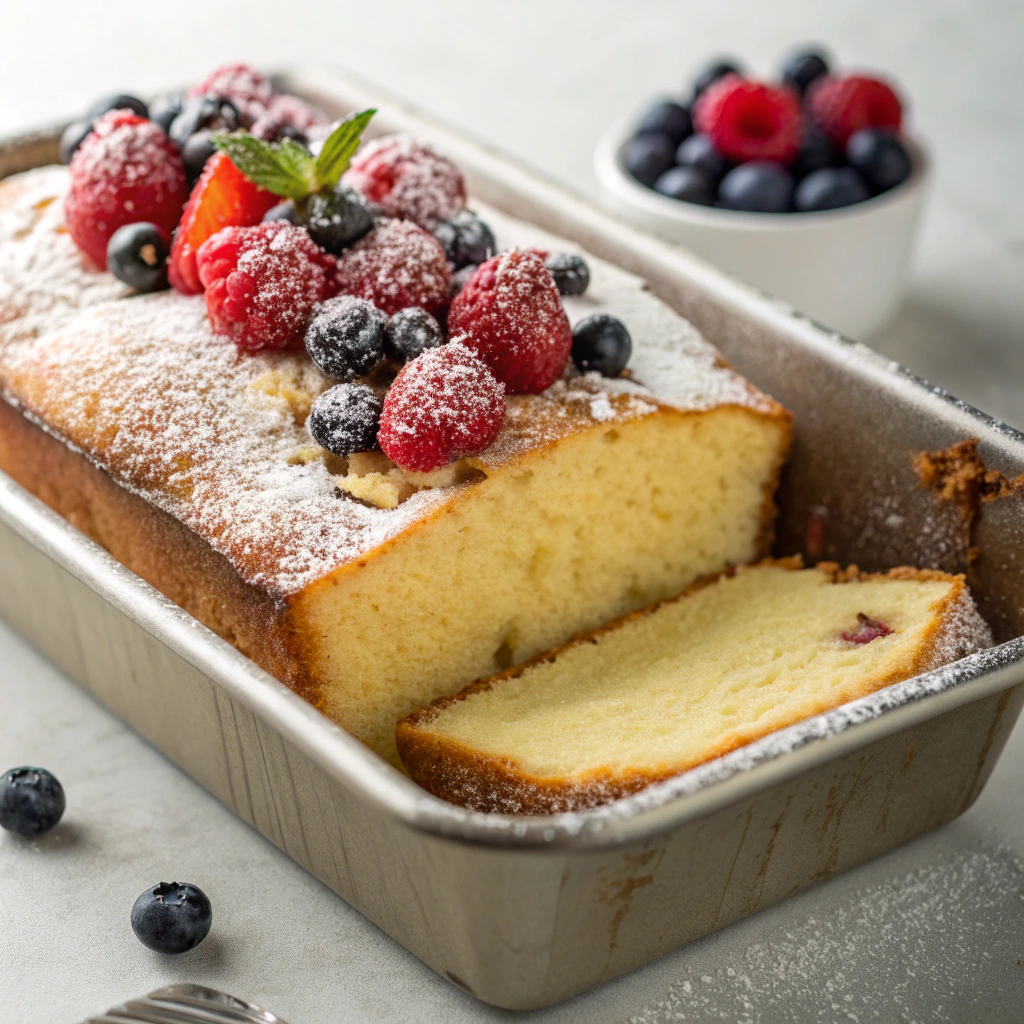
The versatility of buttermilk pound cake shines in how well it pairs with a variety of accompaniments. Here are some suggestions to elevate the eating experience:
Fruits & Fresh Toppings
- Fresh Berries: Strawberries, blueberries, raspberries, blackberries—add a splash of color and fresh flavor.
- Sliced Bananas or Cherries: Complement the cake’s richness with sweet, juicy slices.
- Stewed or Poached Fruits: Peaches, apples, or pears cooked with cinnamon or vanilla for added warmth and moisture.
Creams, Sauces, and Garnishes
- Whipped Cream or Mascarpone: Light, airy toppings give a delicate contrast to the dense cake.
- Berry or Fruit Compote: Warm or chilled; enriches the flavor with tartness.
- Chocolate Ganache or Caramel Drizzle: Adds a decadent touch for desserts.
- Nuts and Seeds: Chopped pecans, almonds, or toasted coconut sprinkled on top add crunch and visual appeal.
Beverage Pairings
- Tea or Coffee: The rich aroma and flavors of dark roasted coffee or floral teas complement the cake beautifully.
- Milk or Plant-Based Milk: For a comforting, nostalgic pairing.
- Sweet Wines or Liqueurs: A splash of bourbon, Amaretto, or a sweet dessert wine intensifies the indulgence, especially for special celebrations.
Fancy Serve Suggestions
- Elegant Plating:
Arrange slices of cake on a fine plate, garnished with a sprig of fresh mint, a drizzle of fruit coulis, or a dusting of powdered sugar for a sophisticated presentation. - Accompaniments for Dessert:
Serve slices with a scoop of vanilla or butter pecan ice cream, whipped cream, or Greek yogurt. Adding a fresh berry compote or fruit smear can elevate the experience. - Breakfast or Brunch:
Toast slices for a warm, crispy finish, and top with butter, honey, or fruit preserves. Pair with a latte or fresh brewed tea for a luxurious start to your day. - Party and Holiday Themes:
Decorate with seasonal berries, edible flowers, or themed toppers for celebrations such as Thanksgiving, Christmas, or Easter.
“Pair your baked goodies with hearty mains like our Steak with Mushroom Sauce or comforting Chuck Roast Recipes.”
Storing and Reheating Your Buttermilk Pound Cake
Proper storage allows you to enjoy your homemade cake for days or even weeks while maintaining its flavor and moistness:
1. Storing at Room Temperature
- How: Wrap the cake tightly in plastic wrap or aluminum foil. Alternatively, store in an airtight container to prevent it from drying out.
- Duration: Up to 2 days.
- Tip: Keep it in a cool, dry place away from direct sunlight.
2. Refrigeration
- How: Wrap the cake securely in plastic wrap and then in foil, or store in an airtight container.
- Duration: Up to 7 days.
- Tip: Let the cake come to room temperature before serving to enjoy its soft texture.
3. Freezing
- How: Wrap individual slices tightly in plastic wrap, then again in foil or place in a resealable freezer bag. For an entire cake, double-wrap to prevent freezer burn.
- Duration: Up to 3 months for best quality.
- Thawing: Transfer to the refrigerator overnight or leave at room temperature for a few hours.
- Reheating:
- For slices: Warm gently in a toaster oven at low heat or in a microwave (short bursts of 10-15 seconds).
- For the whole cake: Reheat in the oven at 300°F (150°C) for 10-15 minutes wrapped in foil to restore moisture.
4. Tips for Maintaining Freshness
- Avoid storing in humid or warm environments.
- If the cake was glazed or frosted, refrigerate to prevent spoilage of toppings.
- Allow the cake to reach room temperature before slicing for cleaner cuts and better flavor.
Final Tips for Success
- Use quality ingredients—they make a noticeable difference in flavor and texture.
- Avoid overbaking by checking for doneness early; overbaking can dry out the cake.
- Experiment with flavors and presentation to suit your taste and occasion.
- Store properly to enjoy your buttermilk pound cake over several days, keeping it moist and delicious.
FAQs about Buttermilk Pound Cake
Q1: What makes Buttermilk Pound Cake different from other pound cake recipes?
A: The primary difference is the use of buttermilk, which adds a distinctive tangy flavor and extra moisture to the cake. This ingredient also tenderizes the crumb, resulting in a softer, more delicate texture compared to traditional pound cakes that rely solely on butter, sugar, and eggs.
Q2: Can I substitute buttermilk in Buttermilk Pound Cake if I don’t have any?
A: Yes, you can substitute buttermilk with a homemade version by mixing one cup of milk (dairy or plant-based) with 1 tablespoon of lemon juice or vinegar. Let it sit for 5 minutes until it curdles slightly; this mimics the acidity and richness of real buttermilk, ensuring your Buttermilk Pound Cake retains its moistness and flavor.
Q3: Is Buttermilk Pound Cake suitable for special diets like gluten-free or vegan diets?
A: You can adapt the recipe for various dietary needs. For gluten-free, substitute all-purpose flour with a gluten-free baking blend and ensure it contains xanthan gum or a binder for structure. For vegan versions, replace butter with plant-based margarine or oils, and use plant-based buttermilk (such as almond or soy milk with vinegar or lemon). These modifications make the delicious Buttermilk Pound Cake accessible to more dietary preferences.
Q4: How do I know when my Buttermilk Pound Cake is fully baked?
A: Insert a toothpick or cake tester into the center of the cake; it should come out clean with a few moist crumbs or completely dry. Additionally, the cake’s top should be golden brown, and it may start pulling away from the sides of the pan. Properly baked Buttermilk Pound Cake should be moist but not wet inside.
Q5: Can I freeze Buttermilk Pound Cake to enjoy later?
A: Absolutely! Wrap slices or the whole cake tightly in plastic wrap and then in foil or place in an airtight container. Freeze for up to 3 months. To serve, thaw in the refrigerator overnight or at room temperature. Reheat slices in a low-temperature oven or toaster oven for warm, fresh-tasting Buttermilk Pound Cake.
Q6: What are some popular ways to serve Buttermilk Pound Cake?
A: This cake pairs beautifully with fresh berries, whipped cream, or fruit compote. You can also drizzle it with glaze, caramel, or honey for added sweetness. For breakfast, toast slices and serve with butter or jam. For dessert, serve with a scoop of ice cream or a dollop of mascarpone or Greek yogurt.
Q7: How can I add more flavor or make my Buttermilk Pound Cake unique?
A: Incorporate citrus zest (lemon, orange), spices (cinnamon, nutmeg), or mix-ins like chocolate chips, nuts, or dried fruits. For a more sophisticated twist, add herbs or flavored extracts. You can also top the cake with glazed fruit or edible flowers for a beautiful presentation.
Final Thoughts on Buttermilk Pound Cake

Buttermilk Pound Cake is a classic baking treasure that combines simplicity with indulgence. Its rich, moist crumb and tangy flavor make it a versatile choice for any occasion. Whether enjoyed plain or embellished with toppings and flavors, it’s a treat worth baking. Remember to use quality ingredients, follow the tips for perfect execution, and get creative with your additions. We invite you to try making your own buttermilk pound cake and discover the joy of creating a timeless, delicious dessert that’s sure to impress family and friends alike.
For more delicious recipes and baking inspiration, come join us on Facebook at RyanRecipes. Follow us to stay updated with our latest creations and share your culinary adventures with our vibrant community!