
Bundt cakes are a beloved treat known for their distinct shape and rich flavor. Their versatility makes them an ideal choice for breakfast, lunch, dinner, snacks, or dessert. Whether enjoyed at a casual gathering or a formal celebration, bundt cakes are an easy and convenient option, allowing you to delight friends, family, and yourself. Packed with flavor and often simple to prepare, these cakes are perfect for any lifestyle.
Why Choose This Recipe For Bundt cakes
Bundt cakes stand out due to their rich taste and moist texture. They are easy to prepare, requiring minimal specialized techniques, making them accessible for novice bakers. Nutritionally, they can be tailored to include wholesome ingredients, maximizing the health benefits while remaining affordable. Their cultural significance spans various traditions, making them a favorite in many households, especially during festive seasons.
Ingredients For Bundt cakes
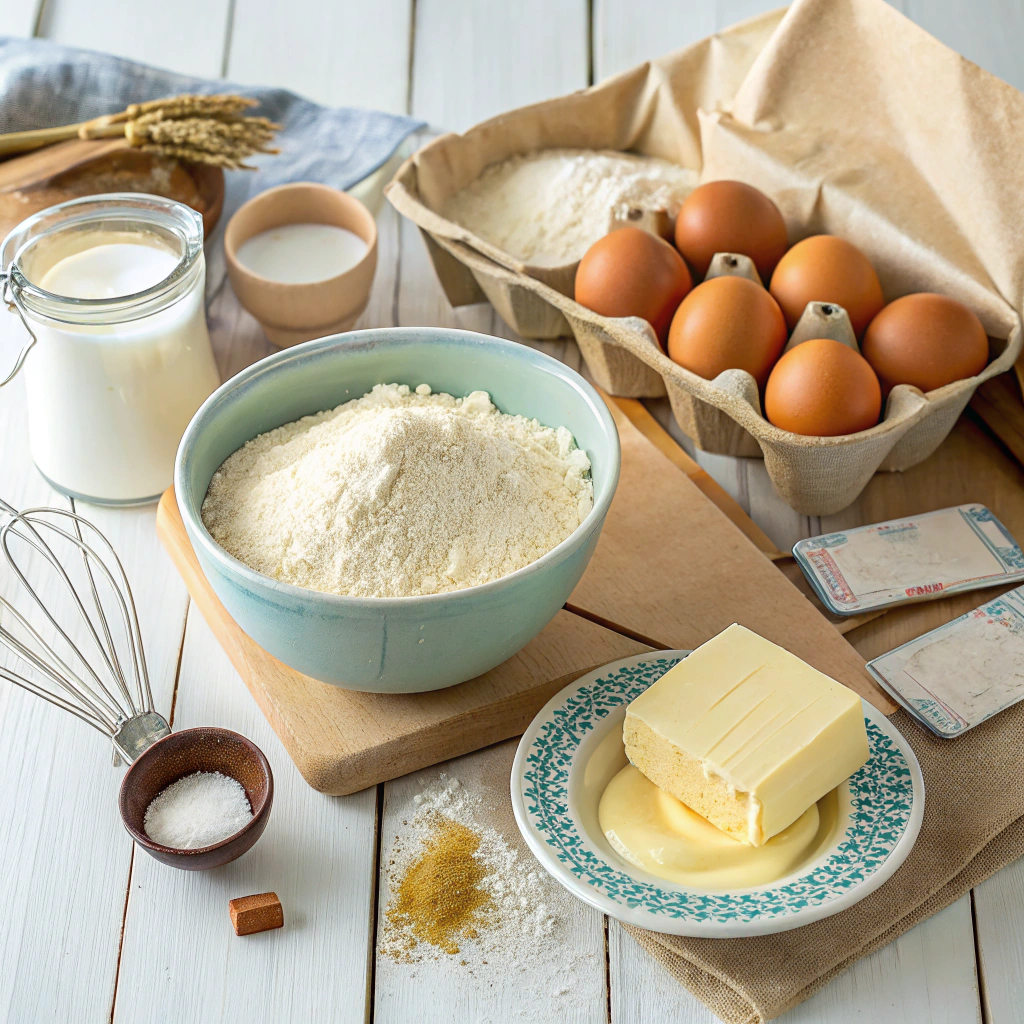
- All-Purpose Flour: 2 ½ cups (approximately 313 grams)
- This is the base of the cake. Sift before measuring to ensure accuracy.
- Granulated Sugar: 1 ½ cups (approximately 300 grams)
- Adds sweetness and contributes to the cake’s texture.
- Baking Powder: 1 tablespoon (approximately 14 grams)
- Acts as a leavening agent to help the cake rise.
- Salt: ½ teaspoon (approximately 3 grams)
- Enhances the flavor of the cake.
- Unsalted Butter: 1 cup (2 sticks or approximately 226 grams), softened
- Provides moisture and richness. Room temperature is best for creaming.
- Large Eggs: 4
- Binds the ingredients together and contributes to structure.
- Milk: 1 cup (approximately 240 ml)
- Helps with moisture and can be substituted with buttermilk for added tang.
- Vanilla Extract: 1 tablespoon (approximately 15 ml)
- Adds flavor; can be substituted with other extracts like almond or coconut.
- Zest of 1 Lemon or Orange (optional)
- Adds freshness and complements the sweetness.
Optional Add-Ins
- Chocolate Chips: 1 cup (approximately 170 grams)
- Nuts (e.g., walnuts or pecans): 1 cup (approximately 120-130 grams), chopped
- Fruit (e.g., blueberries or raspberries): 1 cup (approximately 150 grams)
Feel free to adjust quantities and ingredients based on your desired flavor, dietary needs, or personal preferences!
Step-by-Step Preparation For Bundt cakes
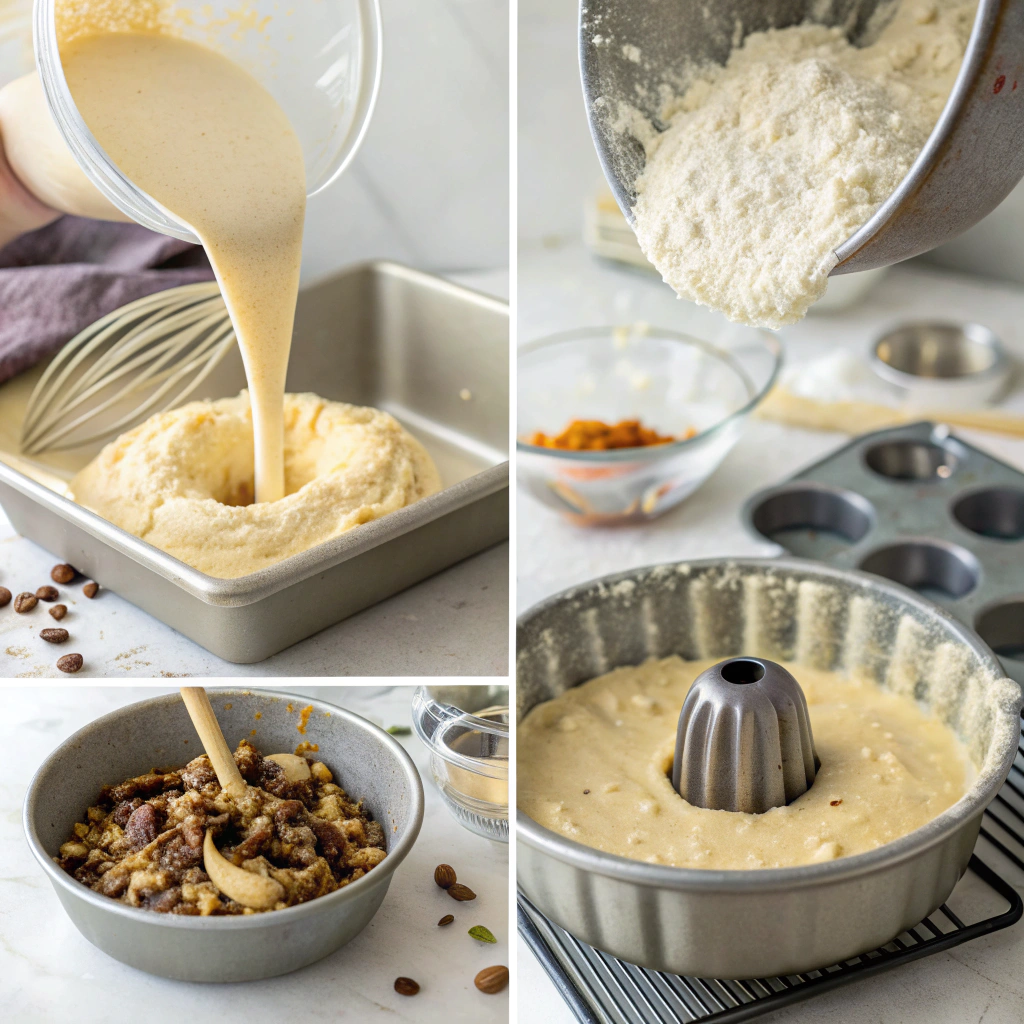
Step 1: Preheat the Oven
- Preheat your oven to 350°F (175°C). This ensures the cake bakes evenly once it’s in the oven.
Step 2: Prepare the Bundt Pan
- Grease the Bundt Pan: Generously coat the inside of your bundt pan with unsalted butter or non-stick cooking spray. Make sure to cover all the crevices.
- Flour the Pan: After greasing, dust the pan with a little all-purpose flour, tapping out any excess. This will help prevent the cake from sticking.
Step 3: Mix Dry Ingredients
- In a medium bowl, whisk together the following dry ingredients:
- 2 ½ cups all-purpose flour
- 1 tablespoon baking powder
- ½ teaspoon salt
- Set aside the bowl with the dry ingredients to combine later.
Step 4: Cream Butter and Sugar
- In a large mixing bowl, use an electric mixer on medium speed to cream together:
- 1 cup (2 sticks) unsalted butter, softened
- 1 ½ cups granulated sugar
- Beat until the mixture is light and fluffy, about 3-5 minutes. Scrape down the sides of the bowl occasionally to ensure everything is evenly mixed.
Step 5: Add Eggs and Flavoring
- Add the Eggs: Add 4 large eggs one at a time, mixing well after each addition to fully incorporate.
- Incorporate Vanilla: Mix in 1 tablespoon vanilla extract (and zest of 1 lemon or orange, if using) until well combined.
Step 6: Combine Dry Ingredients and Milk
- Alternate Mixing: Gradually add the dry ingredients to the creamed mixture, alternating with 1 cup milk. Start with the flour mixture, adding about a third, followed by half of the milk. Continue to alternate until all ingredients are combined.
- Do Not Overmix: Mix just until you see no flour streaks. Overmixing can lead to a dense cake.
Step 7: Optional Add-Ins
- If desired, fold in add-ins like 1 cup chocolate chips, 1 cup chopped nuts, or 1 cup fresh berries for added texture and flavor.
Step 8: Pour Batter into the Pan
- Transfer the Batter: Pour the cake batter into the prepared bundt pan. Smooth the top with a spatula to ensure even baking.
Step 9: Bake
- Place the bundt pan in the preheated oven and bake for 50-60 minutes. The cake is done when a toothpick or cake tester inserted in the center comes out clean or with a few moist crumbs.
Step 10: Cool the Cake
- Remove from Oven: Once baked, remove the bundt pan from the oven and let it cool on a wire rack for about 10-15 minutes.
- Invert the Cake: Carefully invert the pan onto the wire rack to release the cake. Gently tap the pan if needed to help release it.
Step 11: Cool Completely
- Allow the bundt cake to cool completely on the wire rack before decorating or slicing. This can take about 1 hour.
Step 12: Decorate and Serve
- Once cool, decorate the cake with a drizzle of glaze, a light dusting of powdered sugar, or your choice of toppings. Slice and serve with your favorite beverages or sides!
Common Mistakes to Avoid
- Not Greasing the Pan: Skipping this step can lead to sticking and tearing.
- Overmixing: This can make the cake dense instead of light and fluffy.
- Inaccurate Oven Temperature: Use an oven thermometer to ensure correct baking temperature, as this can significantly affect the results.
Tips for perfecting Bundt cakes
- Greasing Pan: Don’t skip greasing or flouring the pan. It’s crucial for ensuring the cake releases easily without sticking. Use butter or non-stick cooking spray and dust with flour, tapping out any excess. Consider using parchment paper at the bottom for extra insurance.
- Oven Thermometer: Use an oven thermometer for accurate baking temperature. Oven temperatures can vary, and an internal thermometer helps you avoid overbaking or underbaking your cake, ensuring perfectly moist and fluffy results.
- Flavor Enhancements: Experiment with spices or citrus zest for unique flavors. Adding ingredients like cinnamon, nutmeg, or vanilla extract can elevate your bundt cake’s flavor profile. Grated citrus peel, such as lemon, orange, or lime, adds brightness and freshness.
- Don’t Overmix the Batter: Mix the batter just until combined. Overmixing can lead to a dense cake. Be gentle when folding in flour mixtures and additional ingredients to maintain a light and airy texture.
- Cooling: Allow the cake to cool in the pan for about 10-15 minutes before inverting it onto a cooling rack. This cooling time helps it set up and minimizes the risk of breaking.
Creative Decorating Ideas for Your Bundt Cakes
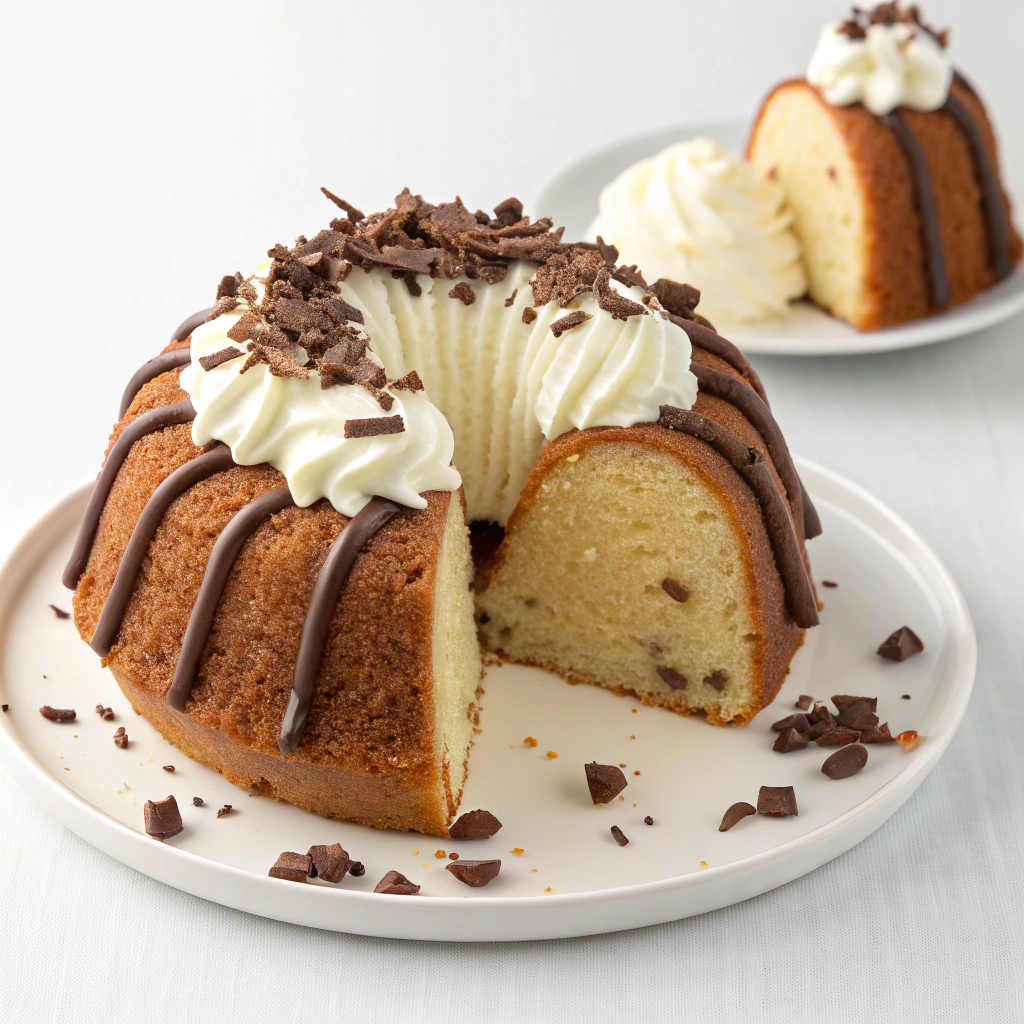
- Glaze Drizzle: Create a simple glaze using powdered sugar and milk (or lemon juice) for added flavor. Drizzle the glaze over the cooled bundt cake, allowing it to cascade down the sides. You can add food coloring to the glaze for a pop of color or incorporate vanilla extract or citrus zest for enhanced taste. Top with sprinkles, crushed nuts, or shredded coconut for an extra decorative touch.
- Fresh Fruits and Berries: Arrange fresh fruits, such as raspberries, strawberries, or blueberries, artfully around the base of the bundt cake or on top. This not only adds vibrant color but also provides a refreshing contrast to the sweetness of the cake. Optionally, dust the fruits with powdered sugar for a touch of elegance.
- Whipped Cream and Chocolate Shavings: Serve individual slices of bundt cake topped with a dollop of freshly whipped cream. For an indulgent finish, sprinkle chocolate shavings or curls on top of the whipped cream. This combination adds richness and a gourmet feel to your presentation.
Looking for more delicious dessert ideas? Check out our 10 Indulgent Vegan Desserts for some tasty plant-based options!
Variations and Customizations Ideas for Your Bundt Cakes
- Flour Substitutes: Use almond flour for a gluten-free option, ensuring you adjust the liquid components as almond flour absorbs more moisture. Coconut flour can also be used, but you’ll need to reduce the amount significantly, as it is highly absorbent.
- Vegan Option: Replace eggs with flaxseed meal mixed with water (1 tablespoon of flaxseed meal + 2.5 tablespoons of water = 1 egg) and use plant-based milk (such as almond, soy, or oat milk) instead of dairy milk. This substitution provides moisture without sacrificing flavor.
- Flavor Variations: Add fruits like berries, zucchini, or grated apples to the batter for moisture and texture. Nuts such as walnuts, pecans, or almonds can add crunch, while chocolate chips offer a sweet surprise. For a flavor twist, try using flavored yogurt instead of milk.
- Seasonal Ingredients: Tailor your bundt cake to the season by incorporating pumpkin puree in the fall, peppermint extract during the holidays, or fresh strawberries in the summer. These seasonal variations add an exciting touch to your baking.
Or perhaps you’re in need of a delightful main course? Our 5 Delicious Vegan Dinners will surely satisfy your appetite.
Serving and Pairing Ideas for Bundt Cakes
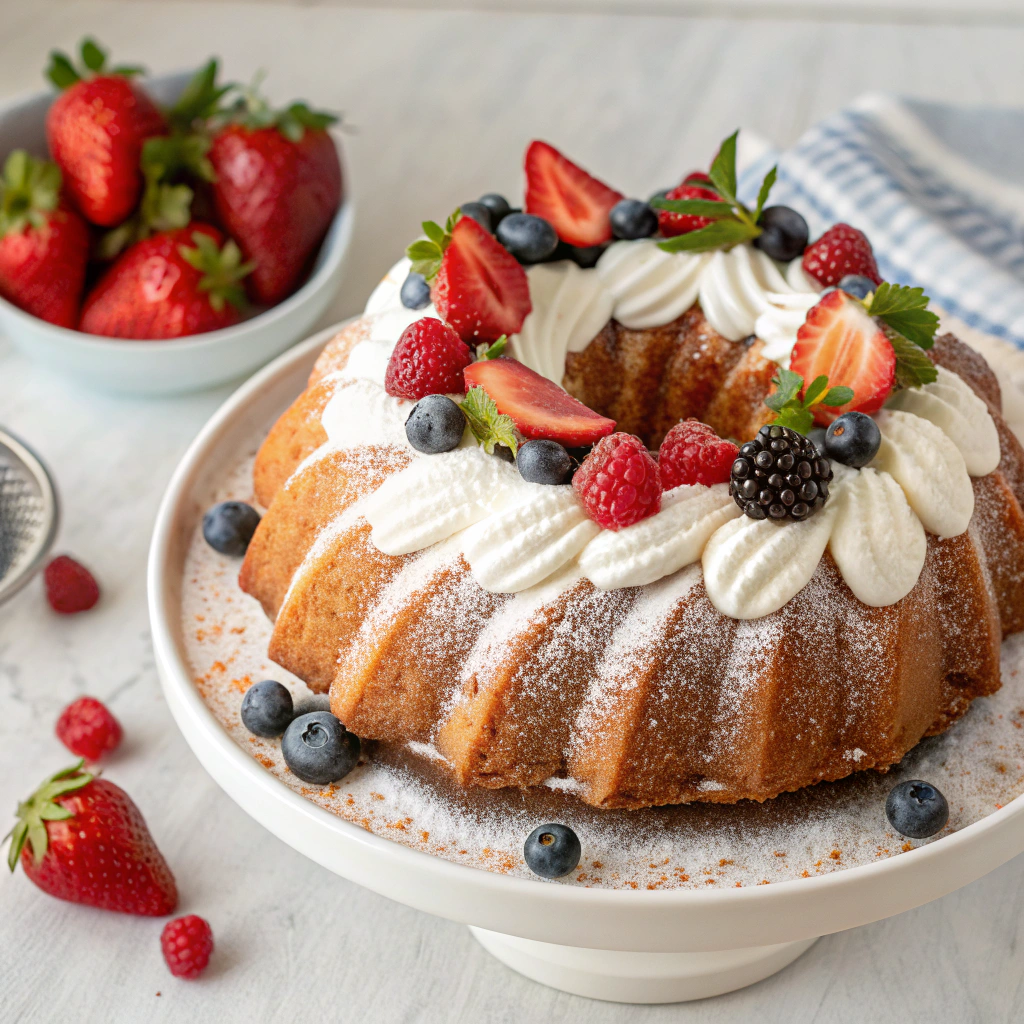
- Simple Dusting: Bundt cakes shine with a light dusting of powdered sugar or a sprinkle of cocoa powder for a minimalist yet elegant touch. This adds a sophisticated flair without overwhelming the cake’s natural beauty.
- Glazed Beauty: A flavored glaze (like lemon, chocolate, or cream cheese) can be drizzled over the top, enhancing flavor and providing a beautiful sheen. Allow the glaze to drip down the sides for an appetizing effect.
- Fresh Fruit Pairing: Serve with an assortment of seasonal fresh fruits, such as strawberries, blueberries, raspberries, or sliced peaches. These pairings add a refreshing contrast and vibrant color, making the presentation pop.
- Decadent Toppings: For an indulgent treat, serve slices of bundt cake topped with a generous dollop of whipped cream or a scoop of ice cream. Drizzle with caramel or chocolate sauce for added sweetness.
- Beverage Pairings: Complement your bundt cake with beverages like a rich cup of coffee, herbal tea, or even a glass of dessert wine. Yogurt or a fruit smoothie can also be delightful accompaniments, providing a creamy balance to the cake’s sweetness.
Final Presentation
Plate your bundt cake beautifully with a few sprigs of mint or edible flowers for an extra touch of elegance. Encourage creativity in decorating and pairing, as personal touches make each bundt cake unique and memorable. Enjoy the experience of baking and share these delightful creations with love!
FAQs About Bundt Cakes
1. What are Bundt Cakes?
Bundt cakes are baked in a distinctive round, fluted pan known as a bundt pan, which gives them a distinctive shape. These cakes are typically rich, moist, and versatile, making them suitable for various flavors and occasions.
2. How do I prevent my Bundt Cake from sticking to the pan?
To prevent sticking, be sure to adequately grease and flour the bundt pan before pouring in the batter. Consider using cooking spray designed for baking or butter with a dusting of flour for optimal results.
- Greasing the Pan: Start by generously greasing the entire interior of your bundt pan with unsalted butter or a high-quality non-stick cooking spray. Make sure to coat all the intricate crevices, as this is where sticking tends to occur. If using butter, apply it with a pastry brush or a paper towel for even coverage.
- Flouring the Pan: After greasing, sprinkle a light layer of all-purpose flour into the pan. Tilt and tap the pan to ensure the flour covers all greased surfaces. This creates a barrier that helps the cake slide out effortlessly. Shake out any excess flour before pouring in the batter.
- Parchment Paper Option: For extra assurance, use parchment paper. Cut a circle of parchment to fit the bottom of the bundt pan after greasing it. This can be particularly helpful for delicate or moist cakes.
- Allowing the Cake to Cool: After baking, let the cake cool in the pan for about 10-15 minutes before inverting it onto a cooling rack. This allows the cake to set and minimizes sticking. If it’s pulling away from the sides, gently run a silicone spatula around the edges before inverting.
3. Can I make Bundt Cakes in advance?
Yes, bundt cakes can be made a day in advance. Allow the cake to cool completely and then store it in an airtight container at room temperature. You can also refrigerate it for up to a week or freeze it for longer storage.
4. What are some popular flavors for Bundt Cakes?
Bundt cakes can be crafted in an impressive variety of flavors, making them a versatile dessert for any occasion. Here are some of the most popular flavors to consider:
- Almond: Using almond extract or ground almonds, this flavor adds a delightful nutty note and is often combined with fruits like cherries or strawberries.
- Chocolate: Rich and decadent, chocolate bundt cakes are often a crowd favorite. You can use cocoa powder or melted chocolate, and they pair wonderfully with chocolate ganache or cream cheese frosting.
- Vanilla: A classic option, vanilla bundt cakes are light and fluffy. Enhance the flavor by adding vanilla beans or extracts for a deeper profile.
- Lemon: Refreshing and zesty, lemon bundt cakes provide a bright flavor. Incorporate lemon zest into the batter and drizzle with a lemon glaze for added sweetness.
- Red Velvet: A striking red velvet bundt cake is not only visually appealing but also delightfully rich in flavor. It pairs perfectly with cream cheese frosting.
- Pumpkin: Ideal for fall, pumpkin bundt cakes are spiced with cinnamon and nutmeg, creating a warm and comforting treat. They can be topped with a cream cheese glaze for extra sweetness.
5. How should I decorate Bundt Cakes?
Bundt cakes can be beautifully decorated with a simple glaze, fresh fruits, whipped cream, or chocolate shavings. You can also add sprinkles, nuts, or a dusting of powdered sugar for an elegant touch.
6. Are Bundt Cakes suitable for special diets?
Yes! Bundt cakes can be adapted to meet various dietary needs. You can create gluten-free bundt cakes using almond or coconut flour and make vegan versions by substituting eggs and dairy with appropriate alternatives.
7. How do I store leftover Bundt Cakes?
To keep leftover bundt cakes fresh, store them in an airtight container at room temperature for up to 2 days. For longer preservation, refrigerate for up to a week or freeze for up to 3 months. Allow to thaw before serving.
8. What is the difference between a Bundt Cake and a regular cake?
The primary difference is the shape. Bundt cakes are made in a bundt pan, giving them a unique design and often a denser texture. They also tend to showcase flavors more prominently due to their moisture-retaining capabilities.
Final Thoughts On Bundt cakes
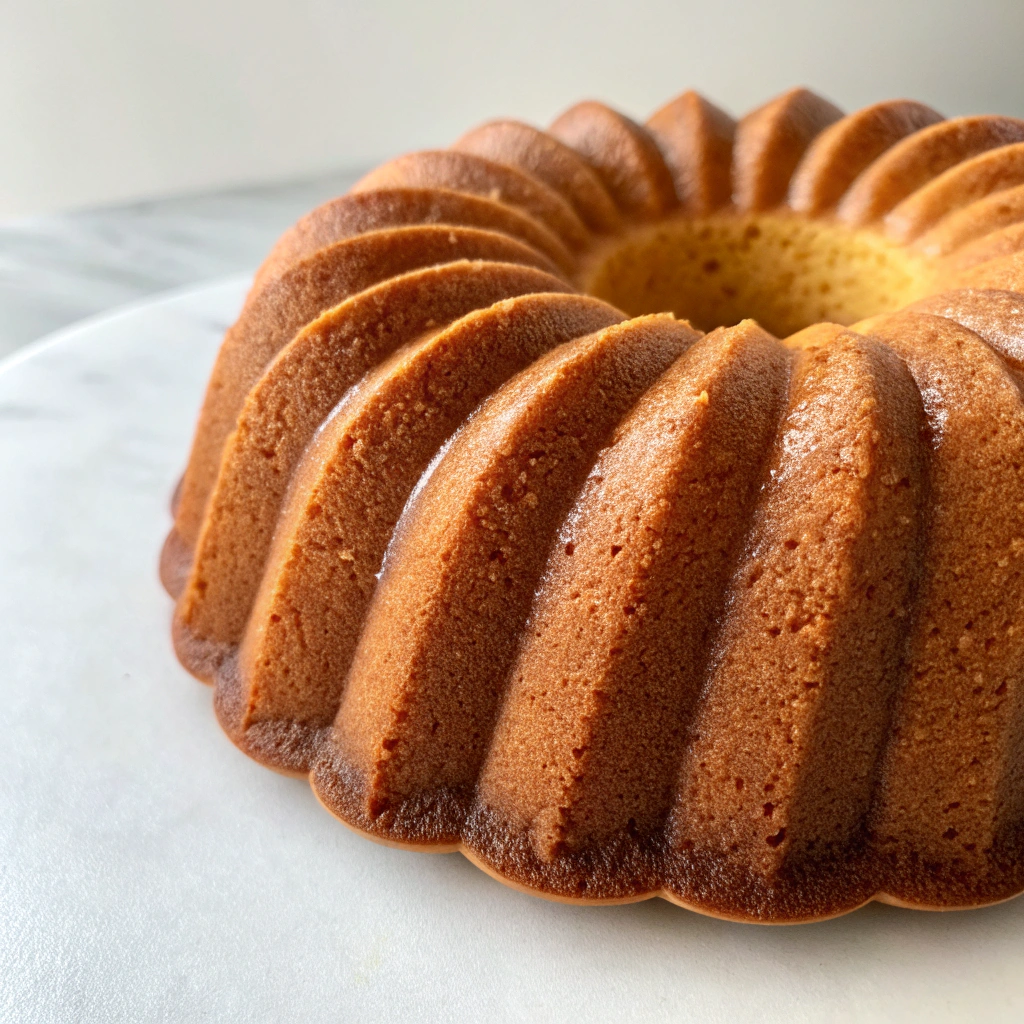
Bundt cakes exemplify flexibility and deliciousness across occasions. Their charm and ease invite you to bake one today, whether for a family dinner, holiday gathering, or a simple treat for yourself. Their versatility allows for endless possibilities in flavor and texture, making them suitable for anyone—from novice bakers to seasoned chefs.
Not only do bundt cakes tantalize the taste buds, but they also serve as a canvas for your creativity, whether through unique toppings, creative ingredient substitutions, or various serving styles. We encourage you to explore different recipes, embrace your personal touch, and enjoy the delightful process of baking.
So, grab your bundt pan, gather your ingredients, and dive into the wonderful world of bundt cakes. You might just find a new favorite recipe that becomes a staple in your home. Happy baking!
For a refreshing side, don’t miss our Easy Salad Jars Recipes, perfect to complement any meal!
For more delicious recipes and baking inspiration, come join us on Facebook at RyanRecipes. Follow us to stay updated with our latest creations and share your culinary adventures with our vibrant community!