
Coconut Basbousa, a delightful dessert hailing from the Middle East, is a semolina-based sweet cake infused with the rich flavors of coconut. This dish, often drizzled with aromatic syrup and garnished with almonds, serves as a delectable treat suitable for breakfast, lunch, or dinner. Its moist texture, sweet flavor, and pleasant aroma make it a beloved choice among dessert enthusiasts. Whether served at celebratory occasions or enjoyed with a cup of tea, Coconut Basbousa is a versatile dish that promises to satisfy your sweet cravings while delivering the comforting taste of home-baked goodness.
Why Choose This Recipe
Opting for Coconut Basbousa as your dessert choice brings numerous advantages. Firstly, it offers health benefits: semolina is a good source of protein and fiber, supporting digestive health. Secondly, the addition of coconut not only enhances the flavor but also provides healthy fats and antioxidants. Taste-wise, the combination of sweetness from the syrup and the nuttiness of coconut creates a harmonious flavor profile that appeals to many palates. Moreover, this recipe is incredibly easy to prepare, making it suitable for both novice and experienced bakers. Culturally, Coconut Basbousa represents the hospitality and warmth of Middle Eastern culinary traditions, adding a personal touch to any gathering.
“For more delightful sweets, check out our Easy Dessert Recipes!”
You might also enjoy our delicious Easy Cheesecakes for a creamy alternative.
Ingredients and How to Choose Them
To prepare Coconut Basbousa, you’ll need the following ingredients:
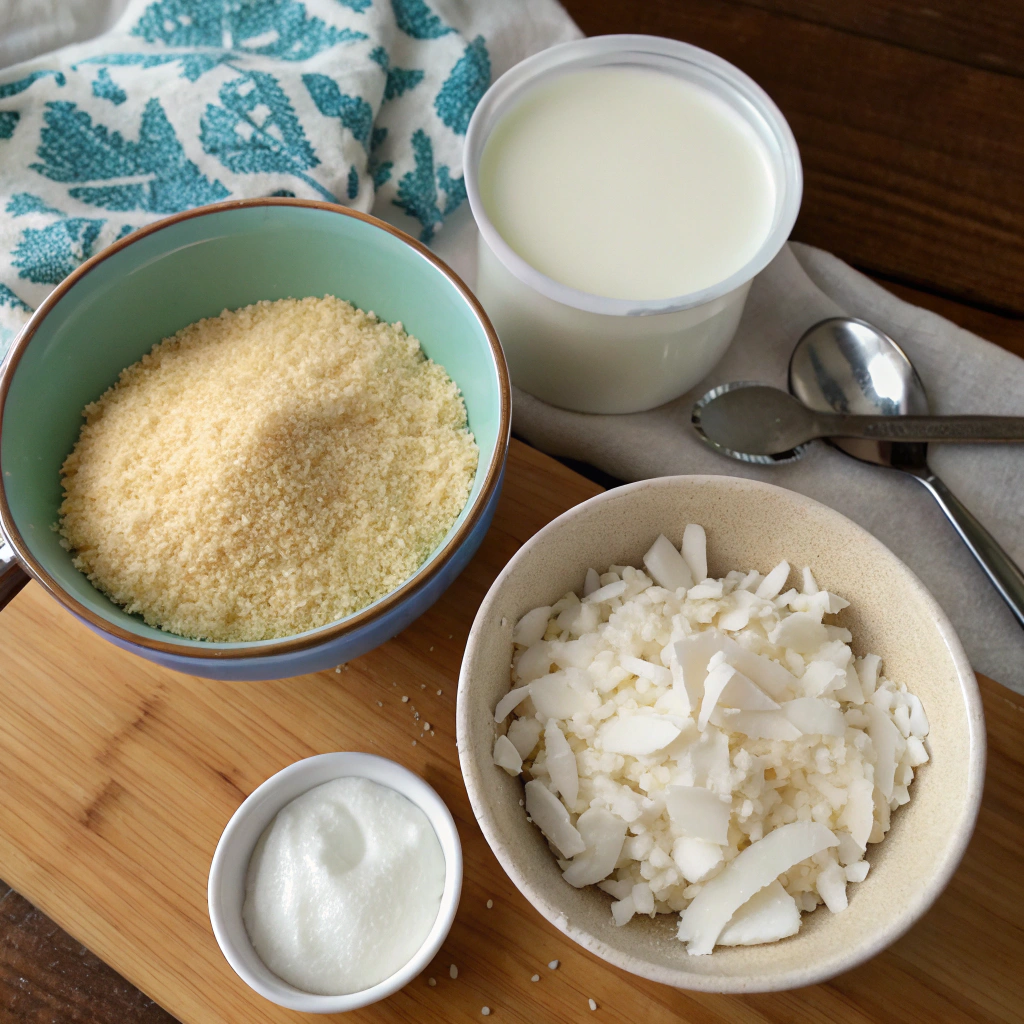
- Semolina: 1 cup (approximately 170 grams). The base of the cake, semolina is coarsely ground durum wheat. Look for fine or medium-grind semolina for the best texture.
- Coconut Flakes: 1 cup (approximately 85 grams). Desiccated coconut or sweetened coconut flakes can be used based on your preference. Choose fresh, unsweetened flakes for a healthier option.
- Sugar: 1 cup (200 grams) granulated sugar brings sweetness. You may substitute with coconut sugar or honey for a different flavor.
- Baking Powder: 1 teaspoon. This leavening agent creates a light texture. Ensure it’s fresh for optimal performance.
- Yogurt: 1 cup (approximately 245 grams) of Greek yogurt or plain yogurt enhances moisture and adds a slight tang. Non-dairy yogurt can serve as a substitute for a vegan option.
- Butter or Oil: ½ cup (about 115 grams) melted butter adds richness, while vegetable oil can be used for a lighter alternative.
- Almonds: Whole almonds for topping. Approximately 12-15 almonds are ideal. Raw or blanched almonds are suitable; toasting them adds flavor.
- Water and Lemon Juice: For the syrup, you will need 1 cup (240 ml) of water and the juice of 1 lemon (about 2 tablespoons). These ingredients are essential for balancing the sweetness.
Tips for Selecting Ingredients:
- Choose fresh, high-quality ingredients; they significantly impact the dish’s final taste.
- Ensure yogurt is not watery, as it could alter the cake’s texture.
- If substituting ingredients, be mindful of the ratios — e.g., honey is sweeter than sugar and may require adjustments in quantity.
- “Looking for festive inspiration? Explore our St. Patrick’s Day Dinner Recipes for unique meal ideas.”
- “Celebrate with sweet options by visiting our St. Patrick’s Day Desserts.”
Step-by-Step Preparation
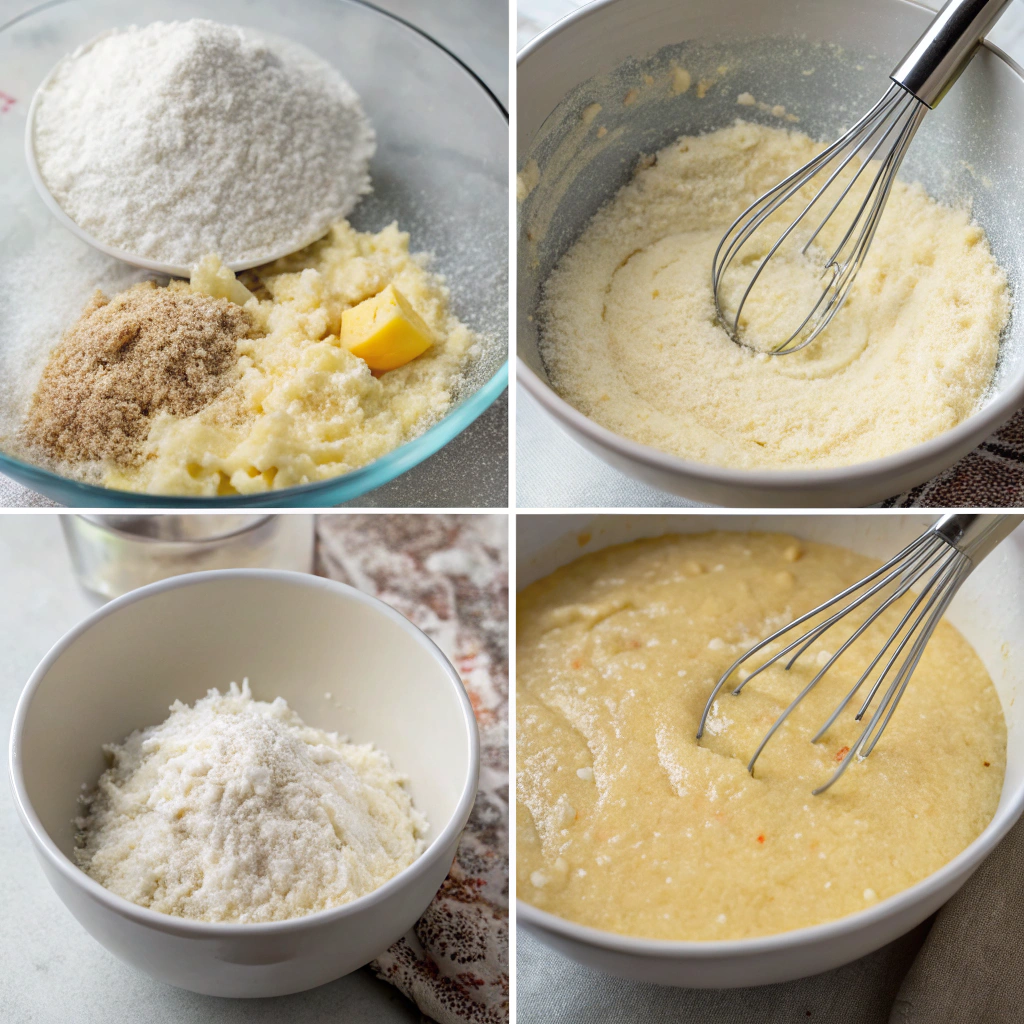
Step 1: Prepare the Cake Mixture
- In a mixing bowl, combine 1 cup of semolina, 1 cup of sugar, 1 cup of yogurt, ½ cup of melted butter, and 1 cup of coconut flakes. Mix well until you achieve a smooth batter.
- Add 1 teaspoon of baking powder to the mixture, stirring just until incorporated.
Step 2: Bake the Cake
- Preheat your oven to 350°F (175°C).
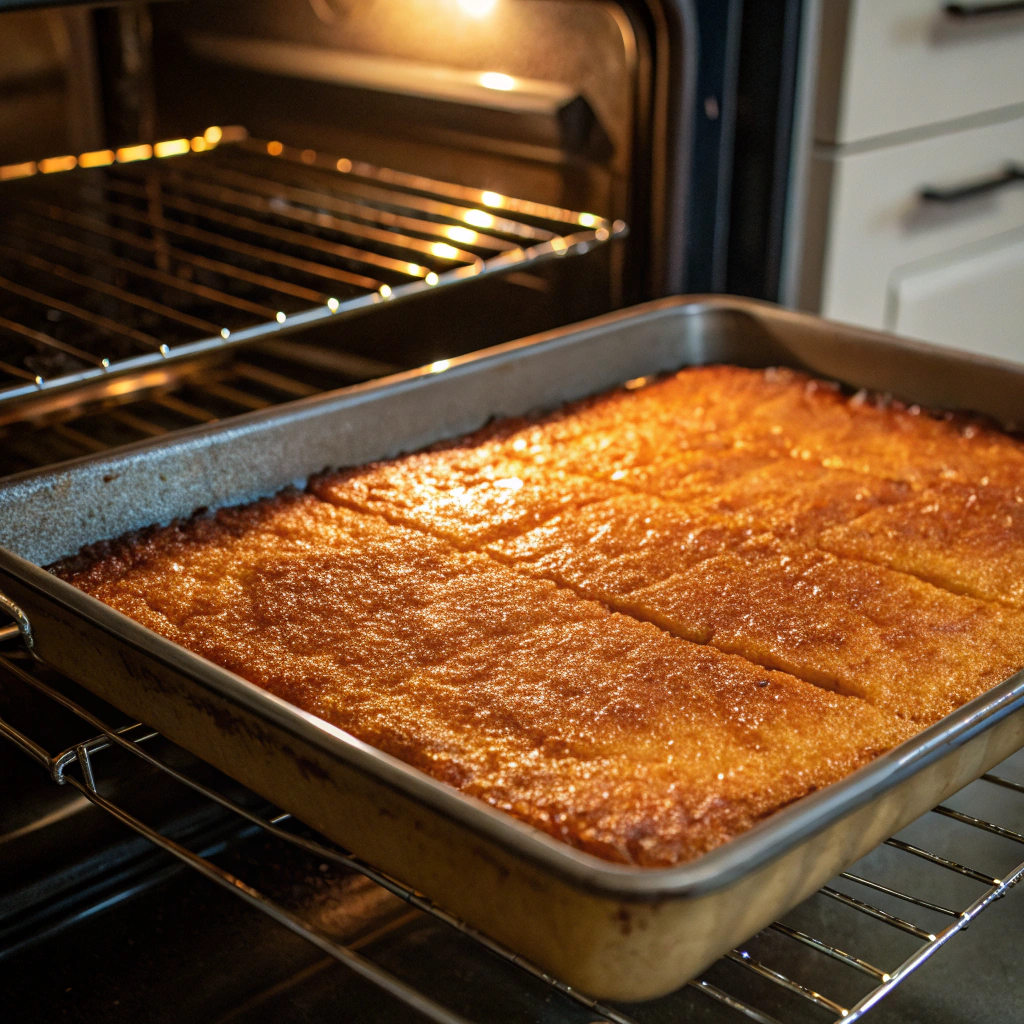
- Grease a rectangular baking dish (approximately 9×13 inches) with butter or oil and pour the batter into it, smoothing the top with a spatula.
- Score the surface of the batter into diamond or square shapes using a knife. Place an almond in the center of each piece.
- Bake for 30-35 minutes, or until the top is golden brown and a toothpick inserted comes out clean.
Step 3: Prepare the Syrup
- While the cake bakes, combine 1 cup of water, 1 cup of sugar, and the juice of 1 lemon in a saucepan.
- Bring the mixture to a boil, then reduce the heat and simmer for about 10 minutes until slightly thickened. Remove from heat and let it cool.
Step 4: Combine and Serve
- Once the cake is baked, remove it from the oven and pour the cooled syrup evenly over the hot cake.
- Allow the cake to absorb the syrup for at least 30 minutes before slicing and serving
Tips on Technique and Timing:
- Ensure all ingredients are at room temperature for better mixing.
- Avoid frequently opening the oven door while baking, as it can affect the cake’s rise.
- Allowing the cake to cool before serving will help the syrup soak in thoroughly.
Tips and Structure List
- Best Practices:
- Use fresh ingredients for optimal flavor.
- Ensure the ratio of wet to dry ingredients is balanced to avoid a dense texture.
- Let the cake cool in the pan before cutting for clean slices.
- What to Pay Attention To:
- Monitor the baking time closely; oven temperatures can vary.
- Check for a golden-brown color on the top before removing from the oven.
- Let the syrup cool before pouring it on the hot cake for better absorption.
- Variations in Preparation Process:
- Experiment with adding spices like cardamom or cinnamon for added depth of flavor.
- Consider using flavored yogurts, such as coconut or vanilla, for a twist.
- For a more decadent touch, add chocolate chips or dried fruits to the batter.
Variations and Customizations
Coconut Basbousa is a highly versatile dessert that can be tailored to accommodate various tastes and dietary needs:
Flavor Variations
- Chocolate Coconut Basbousa:
- Ingredients: To create a rich chocolate version of this beloved dessert, add ¼ cup of unsweetened cocoa powder to the batter. This not only infuses the base with a deep chocolate flavor but also balances beautifully with the sweetness of the coconut and syrup.
- Preparation Tips: Mix the cocoa powder with the semolina and other dry ingredients before combining them with the wet ingredients. This ensures an even distribution of chocolate flavor throughout the cake. You may also want to consider adding ½ cup of chocolate chips to the batter for an extra decadent touch!
- Fruit-Infused Coconut Basbousa:
- Ingredients: For a refreshing and tropical twist, fold in 1 cup of mashed ripe bananas or 1 cup of crushed pineapple into the batter. This addition not only enhances moisture but also adds layers of flavor that complement the coconut beautifully.
- Preparation Tips: If using mashed bananas, ensure they are very ripe for maximum sweetness. For crushed pineapple, drain the fruit well to prevent the batter from becoming too wet. Both fruit options can be mixed in after the initial batter is combined, stirring gently to avoid over-mixing.
Health-Conscious Options
- Natural Sweeteners:
- Substituting Sugar: Replace granulated sugar with natural sweeteners like ½ cup of agave syrup or ¼ cup of stevia (or to taste) for a healthier alternative. This will lower the glycemic index of the dish and provide a unique flavor.
- Preparation Tips: When using liquid sweeteners like agave, reduce the liquid content slightly to maintain the right batter consistency. For stevia, ensure to use an appropriate conversion chart, as it is much sweeter than sugar.
- Whole Grain Base:
- Healthier Flour Options: Switch out regular semolina for whole grain semolina or oat flour. This increases the fiber content and adds nutrients, making the Basbousa more nutritious.
- Preparation Tips: If using oat flour, consider mixing it with a bit of almond flour for better texture and flavor, as oat flour can create a denser cake. You may also need to adjust the baking time slightly, as whole grain options can bake differently.
Presentation Ideas
- Elegant Toppings:
- Toasted Coconut: Finish your Coconut Basbousa with a generous sprinkle of toasted coconut flakes. To toast, simply place the coconut flakes in a dry skillet over medium heat for 2-3 minutes until golden brown. This adds a delightful crunch and a rich coconut aroma.
- Powdered Sugar: A light dusting of powdered sugar can add a classic touch, giving your dessert a beautiful and inviting appearance. This works particularly well if you’re serving it for special occasions.
- Indulgent Sides:
- Whipped Cream or Yogurt: Serve Coconut Basbousa with a side of freshly whipped cream or a dollop of Greek yogurt. This addition not only provides creaminess but can also temper the sweetness, creating a balanced dessert experience.
- Fresh Fruits: Complement your Basbousa with fresh fruits like berries, sliced peaches, or even a tropical fruit salad. This adds a refreshing contrast and enhances the visual appeal of the dessert.
- “Want more culinary traditions? Discover our Moroccan Ramadan Recipes for a taste of the Middle East.”
- “Don’t miss our compilation of Best Moroccan Ramadan Recipes to broaden your culinary repertoire.”
Serving and Pairing Ideas
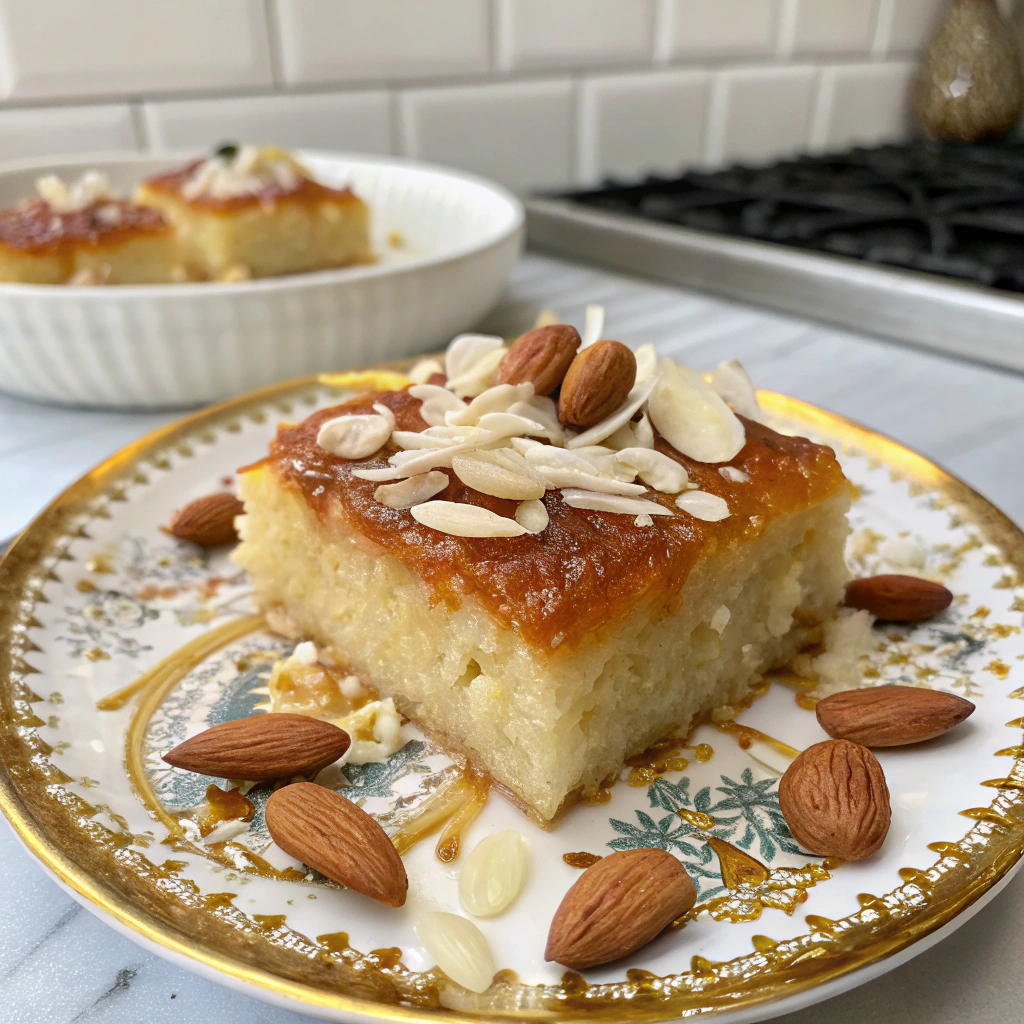
Coconut Basbousa is best enjoyed fresh but can also be paired with various accompaniments:
- 1. Traditional Presentation
- Serve on Festive Plates: Present the Coconut Basbousa on beautifully designed Middle Eastern platters or decorative plates, garnished with slivered almonds and toasted coconut flakes for an authentic look.
- Add Mint Leaves: Place fresh mint leaves alongside each slice to add a pop of color and a refreshing aroma.
- 2. With Fresh Fruits
- Berry Medley: Serve Coconut Basbousa with a mix of fresh berries such as strawberries, raspberries, and blueberries. The tartness of the berries balances the sweetness of the cake, offering a delightful contrast.
- Citrus Slices: Garnish each plate with slices of orange or grapefruit, which add brightness and zest to the dish.
- 3. Delectable Sauces
- Honey Drizzle: Drizzle warm honey over individual slices of Coconut Basbousa for an extra layer of sweetness that complements its flavor.
- Chocolate Sauce: For a richer dessert experience, serve with a side of warm chocolate sauce for dipping or drizzling over the cake. This pairs especially well with the chocolate variation.
- 4. Creamy Accompaniments
- Whipped Cream: Offer a light and airy whipped cream on the side to provide a creamy texture that contrasts beautifully with the sponge-like cake. Consider adding vanilla or coconut flavoring to the cream for extra depth.
- Greek Yogurt: Serve alongside a dollop of Greek yogurt, optionally flavored with honey and a sprinkle of cinnamon for added sweetness and creaminess.
- 5. Garnished with Nuts
- Nut Topping: Scatter a variety of chopped nuts, such as pistachios or walnuts, on top of the Coconut Basbousa before serving to add a crunchy texture and nutty flavor that enhances the overall dish.
- Nut Brittle Crumble: Create a nut brittle using almonds or hazelnuts that can be crumbled on top, providing a sweet, crunchy contrast to the soft cake.
Storing and Reheating
Proper storage and reheating can help maintain the quality of Coconut Basbousa:
- Storing: Store leftover Coconut Basbousa in an airtight container at room temperature for up to 2 days. For longer preservation, refrigerate, where it can last up to a week.
- Reheating: To reheat, place slices in a microwave for about 15-20 seconds, or warm them in an oven preheated to 300°F (150°C) for about 10 minutes. This helps retain moisture and ensure a pleasant texture.
- “For a charming addition to any gathering, explore our Classic Irish Dishes that everyone will love.”
- “If you’re in the mood for something different, try our Strawberry Earthquake Cake Tips for a fruity twist on cake.”
FAQs About Coconut Basbousa
What is Coconut Basbousa?
Coconut Basbousa is a traditional Middle Eastern dessert made primarily from semolina, a coarse flour derived from durum wheat. This sweet cake is unique for its infusion of coconut, which adds both flavor and texture. After baking, it is generously soaked in a sweet syrup made from sugar and water, often with a hint of lemon juice for balance. The result is a moist, flavorful cake that boasts a golden crust and a delightfully chewy interior. Coconut Basbousa is not just a dessert; its rich heritage and flavors make it a beloved choice for celebrations and gatherings in many Middle Eastern countries.
Can I make Coconut Basbousa gluten-free?
Absolutely! For those seeking a gluten-free alternative, you can easily substitute the semolina with a gluten-free flour blend or almond flour. Both options provide a wonderful texture and flavor, though it’s important to note that almond flour may yield a slightly denser cake. When using gluten-free blends, ensure they are designed for baking and contain a mix of flours and starches to achieve the best results. Additionally, you may need to adjust the liquid content slightly to achieve the desired batter consistency.
How do I know when my Basbousa is done baking?
Determining the doneness of your Coconut Basbousa is quite simple! The cake is ready when the top has turned a beautiful golden brown color, and a toothpick inserted into the center comes out clean or with a few moist crumbs. Be cautious not to overbake, as it can dry out the texture. If you notice that the edges are browning too quickly, you can cover the pan loosely with aluminum foil to prevent burning while the center continues to bake.
What can I substitute for yogurt?
In cases where yogurt is not available or for those who are lactose intolerant, there are several great substitutes. You can use sour cream, which provides similar creaminess and tang. For a non-dairy option, non-dairy yogurt made from almond, coconut, or soy can be an excellent choice, giving you the same texture. Alternatively, pureed silken tofu works well as a vegan substitute, as it creates a smooth batter while adding protein without altering the flavor significantly. Just blend the tofu until smooth before adding it to your mix.
How can I enhance the flavor of the syrup?
To elevate the flavor of the syrup that soaks into the Coconut Basbousa, consider infusing it with delicate floral notes. Adding rosewater or orange blossom water can provide an aromatic essence that beautifully complements the coconut’s richness. Use about 1 teaspoon of either flavoring in your syrup mixture — a little goes a long way! You can also experiment with spices such as cardamom or a splash of vanilla extract for additional depth. These enhancements create a more complex flavor profile, making your Coconut Basbousa even more delightful.
Final Thoughts
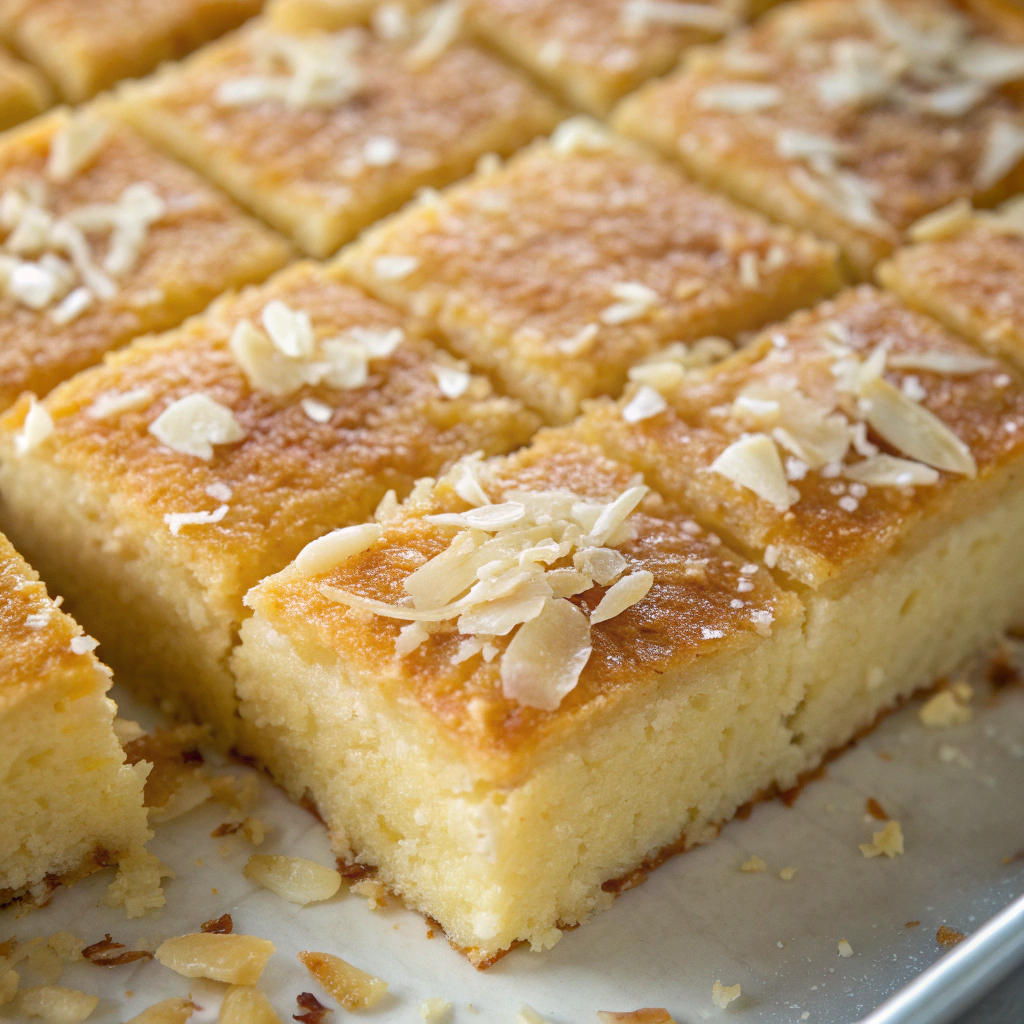
Coconut Basbousa is not just a dessert; it’s a celebration of flavors, textures, and cultural heritage. With its delicious combination of sweet and nutty elements, this timeless treat is perfect for any occasion, from special celebrations to everyday indulgences. Its versatility allows for personal touches, making it an excellent choice for your culinary repertoire. We invite you to try your hand at making Coconut Basbousa and experience the joy it brings to you and your loved ones. Enjoy baking, and don’t forget to share your creations and variations with friends and family!
- “Need ideas for a birthday? Check our Birthday Cake Idea to celebrate in style!”
- “For a festive touch, browse our collection of Bundt Cakes that are perfect for any occasion.”
For more delicious recipes and baking inspiration, come join us on Facebook at RyanRecipes. Follow us to stay updated with our latest creations and share your culinary adventures with our vibrant community!
Coconut Basbousa stands as a testament to the rich tapestry of culinary traditions, offering a unique blend of sweetness and texture that captivates the palate. Its moist, fragrant composition, complemented by the crunch of toasted coconut, elevates it beyond a mere dessert into a delightful experience. As you embark on the journey of preparing this exquisite dish, consider experimenting with various toppings and flavorings to personalize your creation. This exquisite treat not only delights the senses but also fosters connections among those who gather to savor its charm.