
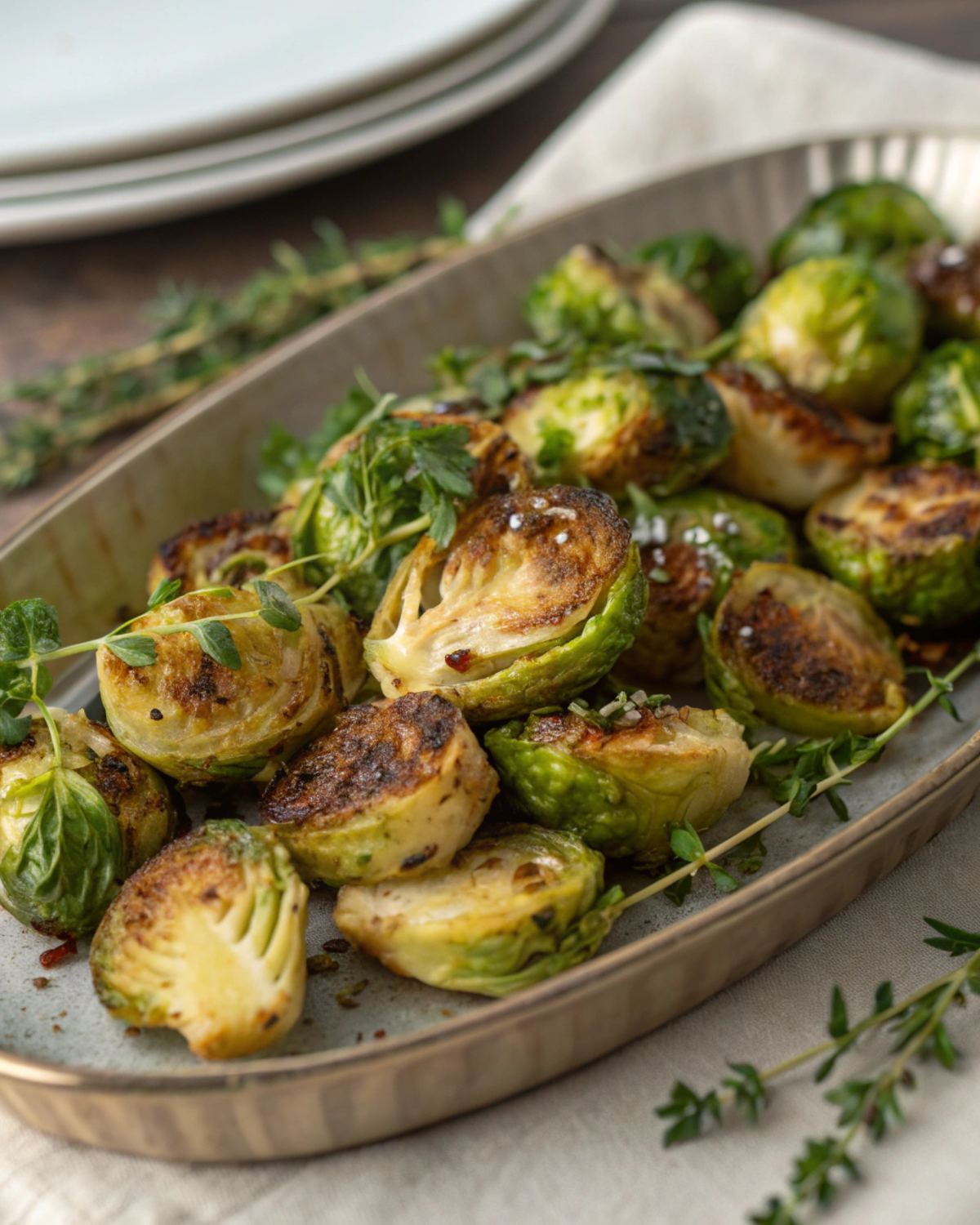
Brussels Sprouts Recipe, often misunderstood, are a tiny powerhouse of flavor and nutrition. These miniature cabbage-like vegetables have made a remarkable comeback in recent years, finding their way onto dinner plates, brunch menus, and even holiday feasts. Brussels sprouts are not only versatile—in roasting, sautéing, or steaming—but they also bring a delightful crunch and a subtle nuttiness that can elevate any meal, whether for breakfast, lunch, or dinner. Rich in vitamins, fiber, and antioxidants, Brussels sprouts hold numerous health benefits, making them a fantastic choice for anyone looking to enhance their diet while enjoying delicious food.
Why Choose This Brussels Sprouts Recipe
There are many compelling reasons to incorporate Brussels sprouts into your culinary repertoire. First and foremost, they are a nutritional powerhouse, packed with vitamins C and K, folate, and dietary fiber, which can contribute to overall health and wellness. Not only do they support immune function and bone health, but they also aid digestion and promote satiety.
In terms of flavor, Brussels sprouts boast a slightly bitter yet pleasantly sweet taste that becomes even more pronounced when cooked properly. Their unique flavor profile lends itself well to a variety of dishes, allowing for endless creativity in the kitchen. Furthermore, Brussels sprouts are easy to prepare, making them a suitable choice for both novice cooks and experienced chefs alike. The ability to pair them with different ingredients and cooking methods also makes them a favorite among those seeking to explore diverse culinary traditions.
“Explore our Thanksgiving recipes for a delightful feast.”Thanksgiving Recipes Delight
Ingredients For Brussels Sprouts Recipe and How to Choose Them

To prepare a delicious Brussels sprouts dish, here are the essential ingredients you will need, along with tips for selection and substitutions:
Ingredients
- Fresh Brussels Sprouts:
- Selection: Look for bright green, firm sprouts with tightly packed leaves. Avoid any that are yellowing, wilted, or have black spots.
- Storage: Keep them unwashed in a plastic bag in the fridge, where they will stay fresh for up to a week.
- Olive Oil:
- Quality: Choose extra virgin olive oil for the best flavor. It will enhance the taste of the Brussels sprouts when roasted or sautéed.
- Substitutions: You can use other oils like avocado oil or melted butter, depending on your preference.
- Salt and Pepper:
- Fresh Ground: Always opt for freshly ground black pepper and kosher salt to enhance the flavors of your dish.
- Variations: Consider adding spices or herbs—such as garlic powder, paprika, or thyme—to complement the dish.
- Additional Flavorings (optional):
- Ingredients like garlic, balsamic vinegar, Parmesan cheese, or bacon can be great additions that enhance flavor.
- Substitutions: For a vegetarian option, consider using nutritional yeast in place of cheese.
- Acid (optional):
- A squeeze of lemon juice or a splash of balsamic vinegar can brighten the dish, adding a refreshing note.
- Substitution: Red wine vinegar or apple cider vinegar can also work well.
“Try this delicious Pumpkin Cinnamon Crumble Bread recipe.”Pumpkin Cinnamon Crumble Bread
Step-by-Step Preparation For Brussels Sprouts Recipe

Here’s how to prepare Brussels sprouts using a simple roasting method, which brings out their natural sweetness:
1. Preparing the Brussels Sprouts:
- Trim: Rinse the Brussels sprouts under cold water and trim the tough stem end. Remove any yellow or wilted leaves.
- Halve: Cut the sprouts in half from top to bottom, ensuring even cooking.
2. Tossing with Oil and Seasonings:
- In a large bowl, combine the halved Brussels sprouts with olive oil, salt, and pepper. Add any additional spices or garlic at this stage. Toss well to ensure each sprout is coated evenly.
3. Roasting:
- Preheat your oven to 400°F (200°C).
- Spread the Brussels sprouts in a single layer on a baking sheet, ensuring they have enough space to roast evenly.
- Roast for about 20-25 minutes, stirring halfway through. They should be golden brown and crispy on the outside while tender on the inside.
4. Finishing Touches:
- If using, sprinkle with balsamic vinegar or add grated Parmesan in the last few minutes of roasting.
- Remove from the oven and serve warm as a delightful side dish.
“Check out our favorite Fall Dinner Recipes.”Fall Dinner Recipes
Tips and Structure List for Cooking Brussels Sprouts Recipe
- Choose Fresh and Firm Sprouts:
- When selecting Brussels sprouts at the market, opt for those that are bright green and firm. Fresh sprouts will have a better flavor and texture compared to older ones.
- Properly Trim and Clean:
- Rinse the sprouts thoroughly under cold water to remove dirt and debris. Trim the bottom stem slightly and remove any wilted or yellow leaves to enhance the dish’s presentation and taste.
- Uniform Size for even Cooking:
- Cut Brussels sprouts into uniform halves or quarters for even cooking. This will ensure that they roast at the same rate, leading to a consistent texture throughout.
- Use High Heat for Roasting:
- Roasting sprouts at higher temperatures (around 400°F to 425°F) promotes caramelization, which enhances their natural sweetness and results in a crunchy exterior.
- Avoid Overcrowding the Baking Sheet:
- Give each sprout enough space to roast properly. If they are too close together, they will steam instead of roast, resulting in a less desirable texture. Use multiple baking sheets if necessary.
- Preheat Your Oven:
- Always preheat your oven before placing the Brussels sprouts in to ensure they start cooking properly right from the beginning.
- Experiment with Seasonings and Flavors:
- Don’t be afraid to get creative! Brussels sprouts can be paired with various seasonings, such as garlic, balsamic vinegar, lemon zest, or even Asian flavors like ginger and soy sauce for an exciting twist.
- Finish with an Acid:
- A splash of lemon juice or balsamic vinegar can brighten the flavors and elevate the dish after roasting. This is best added right before serving to maintain the fresh taste.
10 Creative Leftover Chicken Rotisserie Recipes
Variations and Customizations Ideas for Brussels Sprouts Recipe
Brussels sprouts are incredibly versatile, offering a wide range of flavors and textures to suit different tastes and dietary preferences. Here are some popular variations that can elevate this humble vegetable:
1. Bacon-Wrapped Brussels Sprouts Recipe
- Description: This mouthwatering variation adds a rich, smoky flavor to the sprouts. Wrap each sprout tightly in a piece of bacon and secure it with a toothpick. Roast until the bacon is crispy and the sprouts are tender. The combination of salty, crispy bacon and tender Brussels sprouts creates a delightful contrast.
- Serving Suggestion: Serve as an appetizer at gatherings or as a side dish that’s guaranteed to impress.
2. Garlic and Lemon Brussels Sprouts Recipe
- Description: For a bright and zesty take, sauté minced garlic in olive oil before adding the halved Brussels sprouts. Just before serving, finish with a squeeze of fresh lemon juice. This adds a refreshing acidity that complements the natural sweetness of the sprouts.
- Customization: Sprinkle grated Parmesan or goat cheese before serving for added richness.
3. Maple Balsamic Brussels Sprouts Recipe
- Description: Drizzle the sprouts with a blend of maple syrup and balsamic vinegar during the last few minutes of roasting. This sweet and tangy combination enhances the caramelization process, resulting in a delightful contrast of flavors.
- Enhancement: Add crushed walnuts or pecans for a nutty crunch and extra flavor.
4. Cheesy Brussels Sprouts Recipe
- Description: After roasting, toss the Brussels sprouts with shredded cheese—like sharp cheddar, Gruyère, or Parmesan—then return them to the oven until the cheese is melted and bubbly. This comforting variation is perfect for cheese lovers.
- Tip: For a crispy topping, broil for an additional 1-2 minutes until golden.
5. Spicy Brussels Sprouts Recipe
- Description: Kick up the heat by adding red pepper flakes or tossing the sprouts with Sriracha before roasting. The spicy element balances out the natural sweetness of the Brussels sprouts and creates a dynamic flavor experience.
- Alternative: Drizzle with a spicy chili oil after roasting for an added layer of complexity.
6. Vegan Option Brussels Sprouts Recipe
- Description: For a dairy-free alternative, substitute nutritional yeast for cheese, imparting a cheesy flavor without the dairy. Toss the roasted Brussels sprouts with tahini dressing for a creamy finish that’s rich in healthy fats.
- Addition: Include nutritional yeast in the recipe to boost the umami flavor even further.
7. Asian-Inspired Brussels Sprouts Recipe
- Description: Toss roasted Brussels sprouts with sesame oil, soy sauce, and hoisin sauce, then sprinkle with sesame seeds before serving. This variation introduces a sweet, savory flavor profile that pairs beautifully with Asian-inspired dishes.
- Serving Suggestion: Serve with Asian noodle dishes or grilled meats for a complete meal.
Pumpkin Cream Cheese Bread Recipe
Serving and Pairing Ideas for Brussels Sprouts Recipe

Brussels sprouts make a fantastic side dish and can complement a variety of main courses. Here are some serving and pairing ideas to inspire you:
1. With Roasted Meats
- Description: Brussels sprouts perfectly pair with roasted chicken, turkey, or pork. Their earthy flavors enhance the savory aspects of meat dishes, creating a cohesive meal.
- Serving Tip: Drizzle the birds with the same glaze used for the Brussels sprouts for a harmonious dish.
2. As Part of a Vegetable Medley
- Description: Combine roasted Brussels sprouts with other seasonal vegetables like carrots, parsnips, and sweet potatoes for a colorful and nutritious side dish.
- Presentation: Serve in a large bowl or on a communal platter, showcasing the vibrant colors of the medley.
3. On a Salad
- Description: Add roasted Brussels sprouts to a mixed green salad topped with nuts, cranberries, and a light vinaigrette. This creates a hearty salad that’s perfect for lunch or a light dinner.
- Customization: Top with toasted seeds or cheese to elevate flavors and textures.
4. With Grains
- Description: Serve Brussels sprouts over a bed of quinoa, farro, or brown rice for a filling and nutritious dish. The grains absorb the flavors from the Brussels sprouts, making for a satisfying meal.
- Enhancement: Add chopped herbs or a drizzle of lemon olive oil before serving for brightness.
Storing and Reheating Ideas for Brussels Sprouts
Proper storage and reheating techniques ensure that your Brussels sprouts maintain their flavor and texture even after being cooked. Here are some guidelines:
Storing Leftovers Ideas for Brussels Sprouts Recipe
- Cool and Pack: Allow any leftover Brussels sprouts to cool to room temperature before packing them into an airtight container. This will help prevent moisture build-up, which can lead to soggy.
- Refrigeration: Store the container in the refrigerator, where the Brussels sprouts will last for up to 3-4 days. For longer storage, you can freeze them.
- Freezing: If you plan to keep Brussels sprouts for an extended period, blanch them first. To blanch, briefly boil the sprouts for 2-3 minutes, then transfer them to an ice water bath to stop the cooking process. Drain and dry them thoroughly, then pack them into a freezer-safe bag or container. They can be frozen for up to 2 months.
Reheating Ideas for Brussels Sprouts Recipe
- Oven Method: To reheat roasted Brussels sprouts while maintaining their crispiness, preheat your oven to 350°F (175°C). Place the Brussels sprouts on a baking sheet and warm for about 10-15 minutes or until heated through. This method helps restore their original texture.
- Skillet Method: Alternatively, reheat in a skillet over medium heat. Add a splash of olive oil to help revive their crispiness. Toss occasionally until warm and heated throughout, around 5-7 minutes.
- Microwave Method: If you’re in a hurry, you can use a microwave. However, this method may lead to sogginess. Place the Brussels sprouts in a microwave-safe bowl, cover with a damp paper towel, and heat for 1-2 minutes, checking frequently to prevent overcooking.
“Indulge in our moist and delicious Buttermilk Pound Cake.” Buttermilk Pound Cake
FAQs About Brussels Sprouts Recipe
1. What are the health benefits of Brussels sprouts?
Brussels sprouts are exceptionally nutritious and an excellent addition to any diet. They are low in calories, yet rich in essential nutrients such as:
- Vitamin C: Important for immune function, collagen synthesis, and skin health.
- Vitamin K:Key for bone health and blood clotting.
- Fiber: Aids in digestion, promotes a healthy gut microbiome, and helps maintain a healthy weight by providing satiety.
- Antioxidants: Such as glucosinolates and isothiocyanates, which may help reduce inflammation and protect against certain types of cancer. Incorporating Brussels sprouts into your meals can enhance overall health, support weight management, and reduce the risk of chronic diseases.
2. How do you store fresh Brussels sprouts?
To keep Brussels sprouts fresh:
- Short-term Storage: Store them unwashed in a perforated plastic bag in the crisper drawer of your refrigerator. This allows for air circulation and helps prevent spoilage.
- Freshness Duration: Fresh Brussels sprouts typically stay good for about a week. Check them regularly for any signs of yellowing or wilting.
- Long-term Storage: For extended storage, blanch Brussels sprouts in boiling water for 2-3 minutes, then plunge them into ice water. Drain and pack them in airtight freezer bags, where they can last for up to 2 months without losing flavor or texture.
3. Can Brussels sprouts be eaten raw?
Yes! Raw Brussels sprouts can be a delicious addition to a crunchy salad or slaw. Here’s how you can prepare them:
- Slicing: Thinly slice or shred raw Brussels sprouts using a knife or food processor. This creates a salad base with a delightful crunch.
- Flavor Balancing: Their slightly bitter flavor can be balanced with sweeter dressings, such as honey mustard or balsamic vinaigrette, and enhanced with toppings like nuts, seeds, or dried fruits.
4. How can I get rid of the bitter taste in Brussels sprouts?
Bitterness is a common characteristic of Brussels sprouts, but several cooking techniques can help mitigate this:
- Cooking Methods: Avoid boiling or overcooking, as this can intensify bitterness. Instead, roasting Brussels sprouts at high temperatures caramelizes their natural sugars, enhancing their flavor and sweetness.
- Flavor Enhancements: Drizzle roasted sprouts with balsamic vinegar or a sweet dressing to help counteract bitterness. Adding sweet ingredients like diced apples, maple syrup, or dried cranberries can make the dish more appealing.
- Seasoning: Using rich flavors like garlic, cheese, or bacon can also mask the bitterness while enhancing the overall taste.
5. What cooking methods work best for Brussels sprouts?
Brussels sprouts are incredibly versatile and can be prepared using several methods, each creating a unique flavor and texture:
- Roasting: This method is especially popular, as it caramelizes the sugars and results in crispy, flavorful sprouts. Roasting at around 400°F (200°C) is ideal.
- Sautéing: Quickly cooking them in a pan with oil or butter creates a deliciously tender yet slightly crunchy texture. It’s often enhanced with aromatics like garlic or shallots.
- Steaming: A healthier option that retains more nutrients while cooking the sprouts until tender. They can then be tossed with seasonings after steaming.
- Grilling: This method provides a charred, smoky flavor. Prepare them on skewers for easy grilling.
- Raw: Shredded Brussels sprouts work beautifully in salads or as a crunchy topping for sandwiches.
6. Are Brussels sprouts sustainable?
Yes, Brussels sprouts are considered a sustainable crop for several reasons:
- Minimal Impact: The cultivation of Brussels sprouts often uses fewer resources compared to some other crops, especially if grown in local gardens or organic farms. This makes them a responsible choice for those seeking to reduce their environmental impact in their food choices.
- Seasonal Growth: They thrive in cooler climates and are typically harvested in the late fall and winter, making them a regional crop that doesn’t require extensive transportation once harvested.
- Local Farming: Many regions support local Brussels sprouts farming, which reduces the carbon footprint associated with shipping distances.
Final Thoughts on Brussels Sprouts Recipe
Brussels sprouts are a remarkable vegetable that boasts versatility, flavor, and numerous health benefits. With their unique taste and the ability to adapt to various preparations, they can easily enhance any meal, from simple side dishes to elaborate holiday feasts. Whether you’re experimenting with a new recipe, jazzing them up with spices, or simply roasting them with olive oil and salt, Brussels sprouts are sure to impress.
Inviting Brussels sprouts into your culinary repertoire not only enriches your meals but also supports a healthy lifestyle. So, get creative in the kitchen, explore different flavor profiles, and enjoy the delightful crunch and flavor that Brussels sprouts have to offer! Try them out today and discover why these little gems have become a favorite in modern cuisine.
Stay connected for more delicious and healthy meal ideas!
Visit our Facebook page — RyanRecipes to join our community, get new recipe updates, and share your own favorite healthy dinners.
Follow us today and start cooking your way to better health!
1 thought on “Brussels Sprouts Recipe: A Versatile and Delicious Vegetable”